How to Effectively Manage Swelling and Pain After miraDry Treatment: A Clinical Guide
Why Do Patients Experience Edema and Discomfort After Microwave Thermolysis?
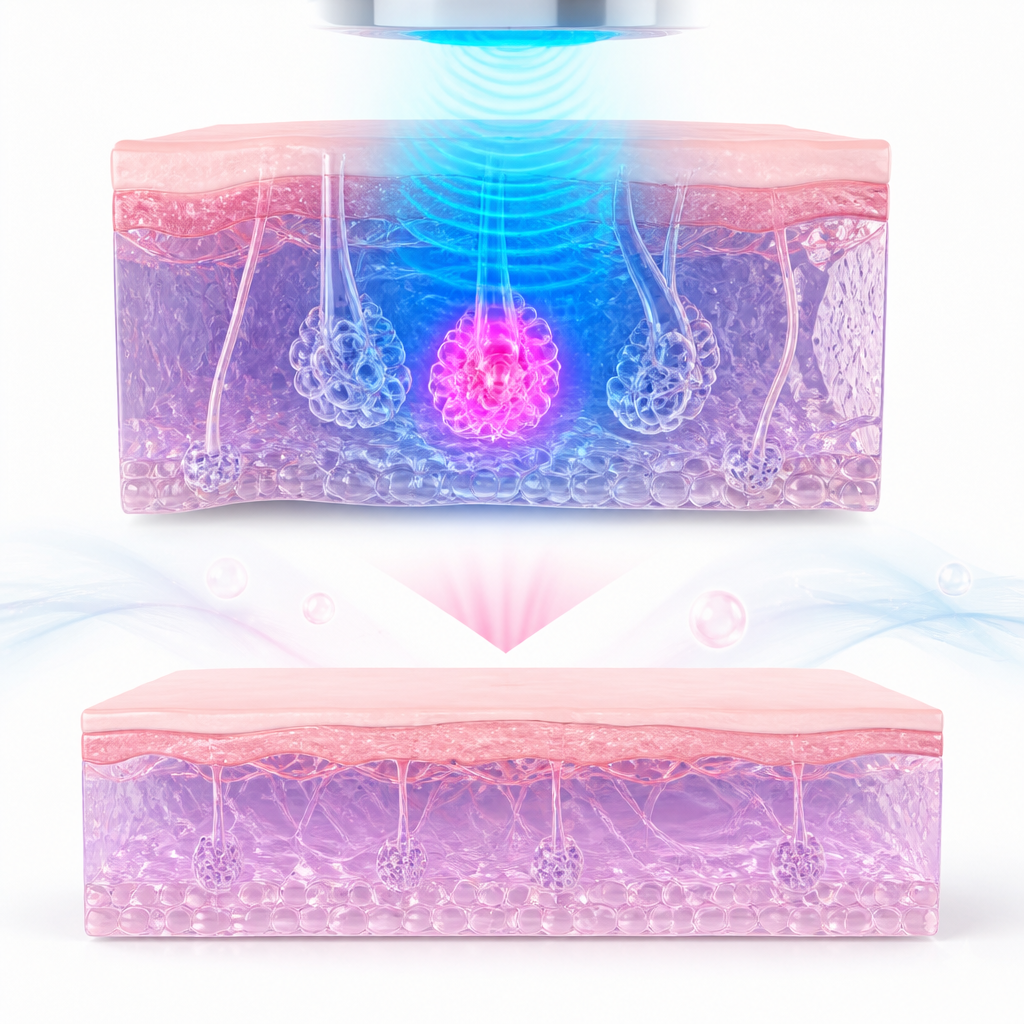
miraDry utilizes non-invasive microwave thermolysis to target and permanently destroy eccrine and apocrine sweat glands located at the interface of the dermis and the subcutaneous fat layer. This targeted thermal energy creates controlled cellular damage, triggering an acute inflammatory response characterized by localized edema, vasodilation, and temporary nerve irritation, which clinically manifests as swelling, tenderness, and transient paresthesia. Because the heat is delivered deep into the tissue layers to achieve permanent results, the surrounding areas naturally react with protective swelling. This inflammatory cascade is a necessary biological mechanism for tissue remodeling and sweat gland elimination, yet managing its intensity is crucial for a comfortable recovery.
Treatment timing: Swelling typically peaks within 24 to 48 hours post-procedure and gradually resolves over 1 to 2 weeks, while mild tenderness may persist up to 3 weeks.
Non-surgical care: Conservative home care, such as continuous icing for the first 48 hours, gentle cleansing, and wearing loose clothing, is highly effective and recommended for all patients.
Treatment selection: Personalized recovery plans should be guided by the patient’s individual pain tolerance, the intensity level of the microwave energy used, and the anatomical thickness of the subcutaneous fat layer.
What Is the Expected Recovery Timeline and Swelling Profile?
According to multiple observational studies and meta-analyses published in international dermatological journals, post-procedural edema and localized soreness are experienced by nearly all patients undergoing microwave thermolysis. Studies demonstrate that while sweat and odor reduction rates remain consistently high (typically exceeding 80% to 90% in patient satisfaction reports), the temporary side effects of tissue heating require active patient cooperation. Managing patient expectations regarding the physical changes in the axilla is paramount to reducing post-treatment anxiety.
| Recovery Phase | Expected Swelling & Pain Level | Primary Care Strategy | Clinical Limitations & Warnings |
|---|---|---|---|
| Acute Phase (Day 1–3) | Peak swelling, moderate pain, redness | Ice packs (20 mins on/off), OTC pain relievers | Do not apply ice directly to bare skin; avoid heavy lifting. |
| Subacute Phase (Day 4–7) | Moderate to mild swelling, firm nodules under skin | Gentle massage, warm compress (after day 5) | Do not aggressively squeeze or rub the treated area. |
| Resolution Phase (Day 8–14) | Minimal swelling, slight numbness, fading bruising | Light stretching, resumption of normal activities | Avoid vigorous underarm shaving or harsh deodorants. |
According to official guidelines from international dermatological societies, both quantitative criteria of swelling volume and clinical judgment of patient discomfort should be reviewed together to customize the post-procedural protocol.
How Can Patients Optimize Healing with Safe Home Care Protocols?
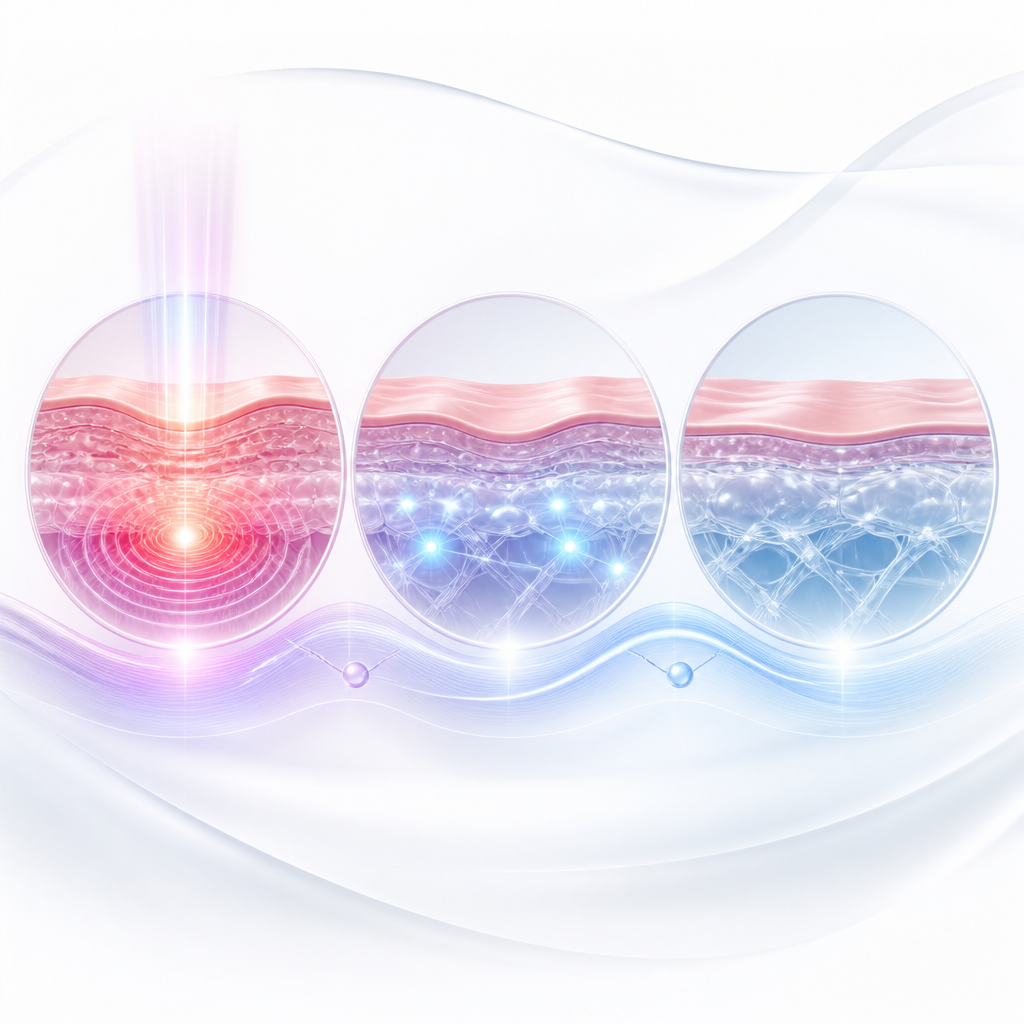
To ensure a smooth transition from the acute inflammatory stage to complete tissue healing, clinical specialists recommend a series of structured conservative interventions. However, outcomes may differ in exceptional cases such as patients with underlying lymphatic disorders, extreme skin sensitivity, or an elevated body mass index, which may require a customized recovery schedule under direct medical supervision.
- Continuous Cold Therapy: Apply clean ice packs wrapped in a soft towel for 15-20 minutes every 2 hours during the first 48 hours to induce vasoconstriction.
- Gentle Cleansing: Wash the axillary area gently with lukewarm water and mild, fragrance-free soap, avoiding harsh scrubbing.
- Over-the-Counter Relief: Use recommended non-steroidal anti-inflammatory drugs (NSAIDs) to alleviate inflammatory pain and swelling.
- Physical Restriction: Avoid strenuous upper-body workouts, heavy lifting, and saunas for at least 1 week post-procedure.
- Loose, Breathable Clothing: Wear loose-fitting garments made of natural fibers to prevent friction and sweat accumulation.
Step 1 (If pain is acute within 48 hours): Apply cold compresses consistently and elevate your upper body slightly while resting.
Step 2 (If firm nodules develop after day 5): Initiate light, circular self-massage and perform gentle underarm stretching exercises to restore tissue flexibility.
Step 3 (If swelling persists beyond 2 weeks or redness spreads): Contact your treating clinical specialist at 제이케이성형외과의원 for a physical assessment to rule out localized infection or atypical lymphatic congestion.
Frequently Asked Questions FAQ
QIs intense swelling normal, and when should I worry?
Yes, significant swelling under the arms is a completely normal reaction to the microwave energy used during the procedure. It indicates that the sweat glands are being successfully eliminated. However, if you experience extreme pain, asymmetric swelling that increases rapidly, or spreading redness accompanied by a fever, you should immediately contact your clinic for an evaluation.
QCan I use deodorants or shave my underarms right after miraDry?
It is strongly recommended to avoid shaving and using deodorants or antiperspirants for at least 4 to 7 days after the procedure. The skin in the treated area is temporarily sensitized and the hair follicles are healing, so avoiding chemical irritation and physical micro-tears is essential for preventing infection.
QWhy do I feel small, hard lumps under my skin, and how do I treat them?
Hard lumps or nodules are a common part of the healing process as the destroyed sweat glands and surrounding subcutaneous tissues undergo fibrosis and gradual absorption. These typically disappear on their own within 4 to 8 weeks. Gentle massage and warm compresses starting around day 5 can help speed up their resolution.

This content is general medical information, and individual treatment decisions should be made through imaging tests and in-person medical evaluation.
Author: Medical content editor based on medical information research
Reviewed by: Specialist consultation from the relevant department
Last reviewed: 2026-07-16
Reference guideline: 2023 International Hyperhidrosis Society Clinical Guidelines
Medical neutrality and closing note
The core of medical decision-making is not to follow a specific device or a trending procedure, but to choose an option that fits each patient’s individual anatomy, condition, risk level, and treatment goals. Every procedure has both advantages and limitations, so decisions should be made after sufficient discussion with an experienced specialist.
[Medical information and copyright notice]
This content is a professional medical column prepared based on medical consultation from 제이케이성형외과의원.
The infographics used in this article are created to support understanding and may differ from actual clinical results.
The information provided is a general medical guideline, and accurate diagnosis and treatment require an in-person evaluation by a qualified specialist.