Is MiraDry a Permanent Solution for Underarm Sweat? A Guide to Treatment Criteria in Apgujeong-dong
Why Do We Suffer from Excessive Underarm Sweat and Odor?
Axillary hyperhidrosis and osmidrosis are chronic physiological disorders characterized by the overactivity of eccrine glands producing watery sweat and apocrine glands releasing lipid-rich secretions that decompose with bacterial flora to produce a pungent odor, representing a progressive condition that rarely resolves spontaneously after puberty. At our plastic surgery department in Apgujeong-dong, we often consult with patients whose personal and professional lives are significantly disrupted by this distressing condition. Traditional management has relied heavily on temporary symptom control, but recent clinical advancements focus on permanently addressing the underlying sweat-producing structures located in the dermis-subdermal interface.
Treatment timing: Intervention is highly recommended when axillary hyperhidrosis significantly impairs daily activities, social interactions, or psychological well-being, or when topical treatments fail to provide adequate relief over a 6-month period.
Non-surgical care: Conservative management, such as topical aluminum chloride or regular botulinum toxin injections, is reasonable for mild cases or when patients seek temporary relief without undergoing energy-based procedures.
Treatment selection: The choice between conservative management, surgical excision, and microwave thermolysis depends on the patient’s anatomical distribution of sweat glands, tolerance for downtime, and expectation of permanent sweat reduction.
How Does MiraDry Compare with Botulinum Toxin and Surgical Options?
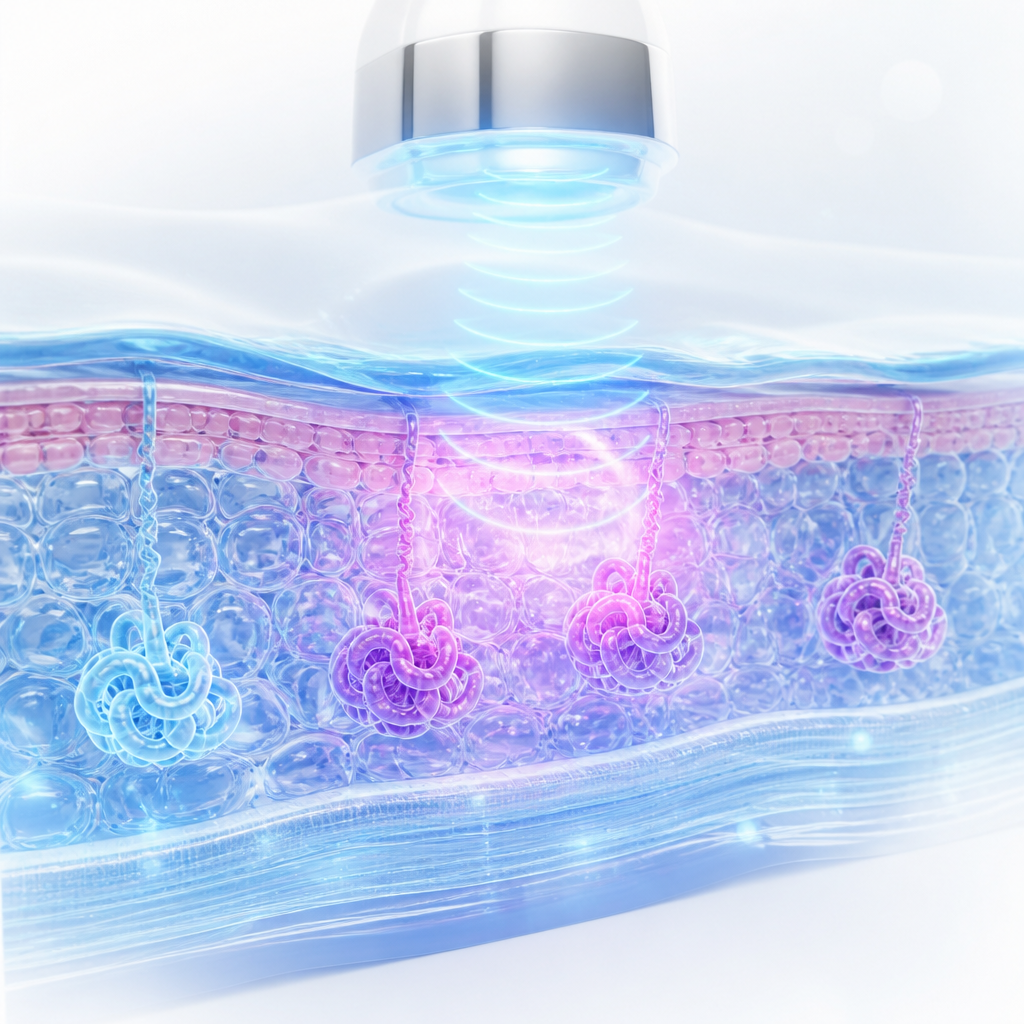
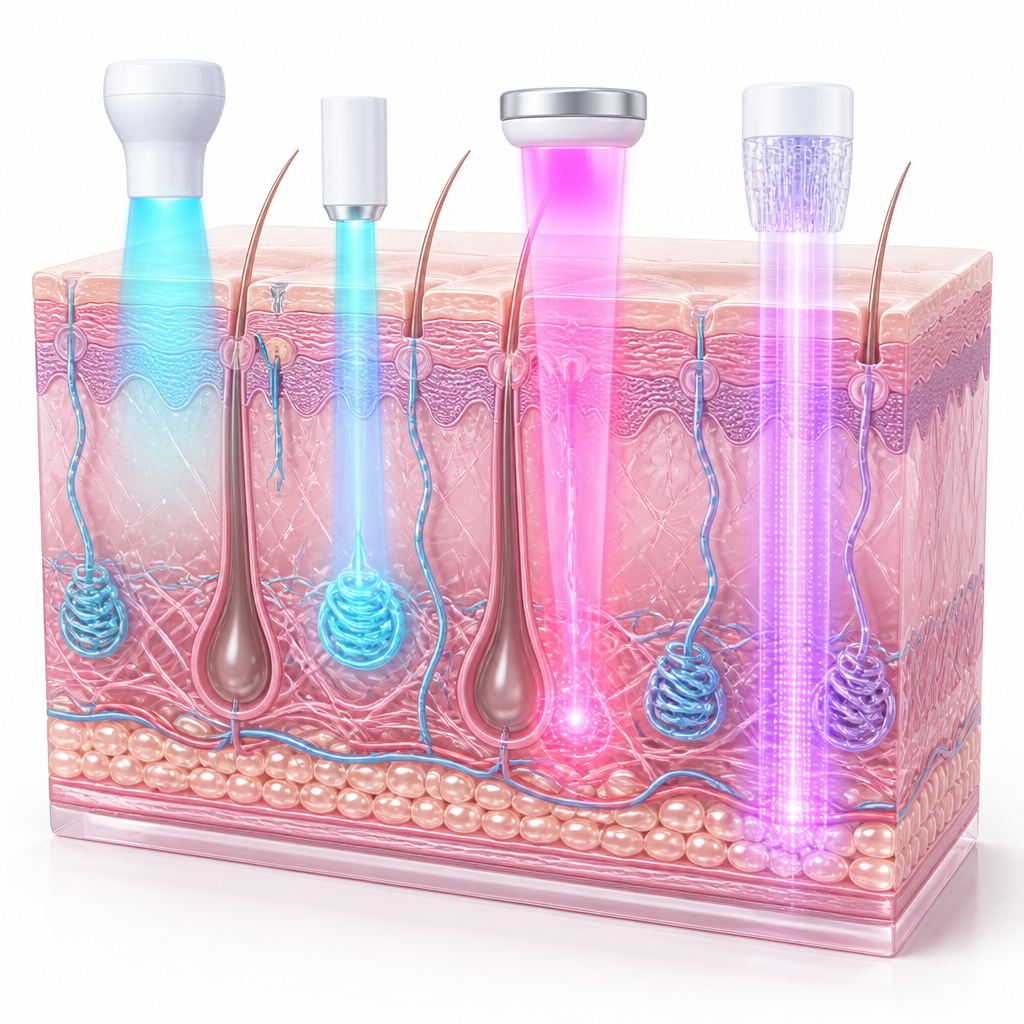
According to multiple observational studies and meta-analyses, including clinical evaluations tracked by the International Hyperhidrosis Society, microwave thermolysis represents a major paradigm shift in addressing sweat gland overactivity. Unlike systemic medications that present widespread side effects or surgical sympathectomy which often triggers severe compensatory sweating on the trunk and limbs, local thermolysis selectively heats the target area. The tissue is elevated to approximately 60 degrees Celsius, destroying the glands while simultaneously cooling the overlying epidermis to protect the skin barrier. The body does not regenerate these destroyed sweat glands, ensuring that clinical benefits are sustained indefinitely. While some patients may require a second session to target residual deep-seated glands, the vast majority experience profound relief after a single treatment.
| Treatment Option | Mechanism of Action | Clinical Efficacy & Longevity | Primary Advantage | Primary Limitation |
|---|---|---|---|---|
| MiraDry (Microwave Thermolysis) | Delivers controlled microwave energy to heat and destroy sweat and odor glands in the interface of the dermis and subdermal fat. | Permanent reduction (average 82% sweat reduction) in 1-2 sessions. | Non-invasive, permanent results with zero risk of compensatory sweating. | Temporary post-procedure swelling, tenderness, and localized numbness. |
| Botulinum Toxin Injection | Temporarily blocks acetylcholine release at neuromuscular junctions, inhibiting sweat secretion. | Temporary relief (typically lasting 4 to 6 months). | Quick, virtually painless, and requires no downtime. | Requires repeated injections indefinitely to maintain clinical efficacy. |
| Thoracic Sympathectomy | Surgical resection or clamping of the sympathetic nerve chain. | Permanent sweat reduction in targeted upper extremity areas. | Highly effective for palmar and severe axillary sweating. | Significant risk of irreversible compensatory sweating elsewhere on the body. |
According to official guidelines from the International Hyperhidrosis Society, both quantitative diagnostic criteria, such as gravimetric sweat measurements, and clinical judgment regarding the patient’s quality of life must be integrated when choosing between energy-based thermolysis and conservative therapies.
What Is the Clinical Protocol and Decision Flow for Underarm Sweat Treatment?
In Apgujeong-dong, patients often demand premium care with minimal downtime, making a precise pretreatment evaluation essential. Clinicians must carefully measure the treatment area using a starch-iodine test to map active sweat patterns, select the appropriate energy level, and apply local tumescent anesthesia to ensure patient comfort. However, outcomes may differ in exceptional cases such as patients with severe secondary hyperhidrosis caused by underlying endocrine conditions, where systemic medical management should precede local treatments. For primary axillary cases, the following protocol guides clinical decision-making:
- Objective assessment of hyperhidrosis severity (using the Hyperhidrosis Disease Severity Scale, HDSS).
- Identification of apocrine-related osmidrosis versus eccrine-related hyperhidrosis.
- Review of previous treatment history, including topical antiperspirants or oral anticholinergics.
- Evaluation of local skin integrity and anatomical thickness of the subdermal tissue.
- Discussion of realistic expectations regarding a potential second treatment session (approximately 15-20% of patients benefit from a second treatment).
Clinical Decision-Making Flow:
- Step 1: If the patient presents with mild axillary sweating that responds well to topical aluminum chloride, Then conservative self-care or periodic botulinum toxin injection is recommended.
- Step 2: If symptoms persist despite topical therapies, or if permanent reduction of both sweat and odor is desired without compensatory sweating risk, Then MiraDry microwave thermolysis is indicated.
- Step 3: If the patient undergoes MiraDry and exhibits residual sweating after 3 months, Then clinical reassessment is performed to determine if a targeted second session is required.
Frequently Asked Questions FAQ
QIs the sweat reduction from MiraDry truly permanent?
Yes. The microwave energy specifically heats and destroys the sweat and odor glands located in the subdermal layer. Since these glands do not regenerate or grow back once destroyed, the sweat reduction achieved is clinically permanent. Clinical studies show an average of 82% reduction in axillary sweat after treatment.
QDoes MiraDry cause compensatory sweating in other areas?
No. MiraDry does not cause compensatory sweating because it only treats the underarm area, which represents only about 2% of the body’s total 2 to 4 million sweat glands. Unlike surgical sympathectomy, which alters the central nervous system’s sympathetic signaling, local destruction of axillary glands does not trigger a compensatory feedback loop elsewhere in the body.
QWhat is the expected recovery timeline and pain level after the procedure?
The procedure is performed under local tumescent anesthesia, making the actual session highly tolerable. Post-procedure, patients can expect localized swelling, redness, and mild tenderness for about 1 to 2 weeks. Applying cold compresses and taking mild over-the-counter anti-inflammatories are recommended during the first few days. Most patients return to light daily activities immediately, though vigorous exercise should be avoided for a week.
This content is general medical information, and individual treatment decisions should be made through imaging tests and in-person medical evaluation.
Author: Medical content editor based on medical information research
Reviewed by: Specialist consultation from the relevant department
Last reviewed: 2026-07-20
Reference guideline: 2021 International Hyperhidrosis Society Clinical Guidelines
Medical neutrality and closing note
The core of medical decision-making is not to follow a specific device or a trending procedure, but to choose an option that fits each patient’s individual anatomy, condition, risk level, and treatment goals. Every procedure has both advantages and limitations, so decisions should be made after sufficient discussion with an experienced specialist.
[Medical information and copyright notice]
This content is a professional medical column prepared based on medical consultation from 제이케이성형외과의원.
The infographics used in this article are created to support understanding and may differ from actual clinical results.
The information provided is a general medical guideline, and accurate diagnosis and treatment require an in-person evaluation by a qualified specialist.