Can You Return to Daily Life Immediately After MiraDry? Recovery and Results
Why Do Patients Wonder About the Real Recovery Time After MiraDry?
Axillary hyperhidrosis is a persistent, progressive condition characterized by the overactivity of eccrine glands, while axillary osmidrosis involves the apocrine glands located at the dermal-fat junction. For individuals struggling with severe underarm sweat and odor, MiraDry has emerged as a groundbreaking non-surgical solution. Since sweat glands do not regenerate once destroyed, the treatment offers a long-term solution. However, the promise of an ‘immediate return to daily life’ often leads to questions about what the recovery period actually feels like. While there are no surgical incisions or long-term activity restrictions, the physiological response of the deep tissue to microwave energy requires careful management and realistic expectations.
Treatment timing: Clinical intervention is recommended when conservative measures fail to control excessive sweating, or when axillary moisture significantly impairs social and professional interactions.
Non-surgical care: Initial management with topical aluminum chloride or lifestyle adjustments is reasonable for mild cases without severe odor or psychosocial distress.
Treatment selection: The choice between non-invasive microwave therapy and surgical sympathectomy or curettage depends on the patient’s anatomical distribution of glands, tolerance for downtime, and desire for a permanent reduction in sweat and odor.
How Does MiraDry Work and What Are the Non-Surgical Alternatives?
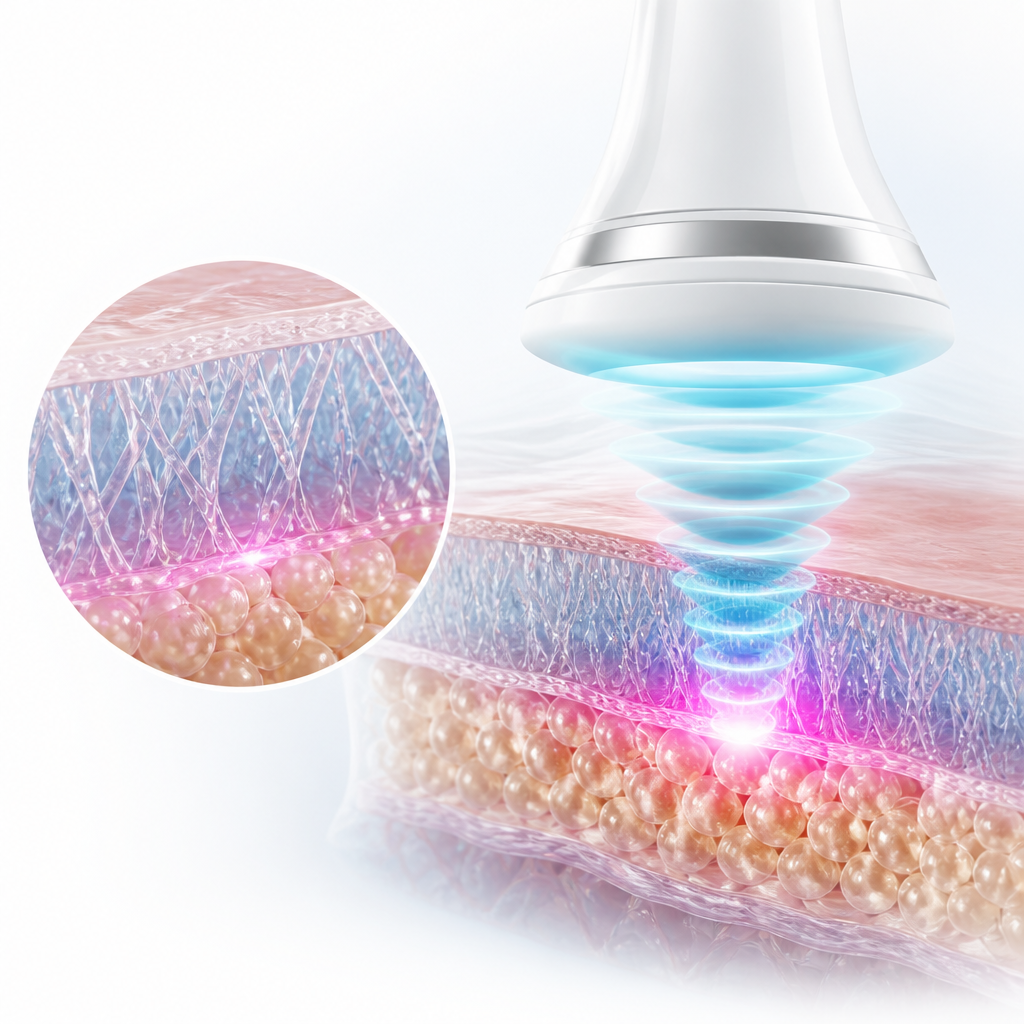
MiraDry utilizes precisely controlled microwave energy (5.8 GHz) to deliver thermal energy to the underarm area. This energy targets the dermal-fat junction where eccrine and apocrine glands reside, destroying them through thermolysis while simultaneously cooling the upper layers of the skin to protect the epidermis. Because the sweat glands are physically eliminated, they cannot grow back, leading to a significant and lasting reduction in both sweat and odor.
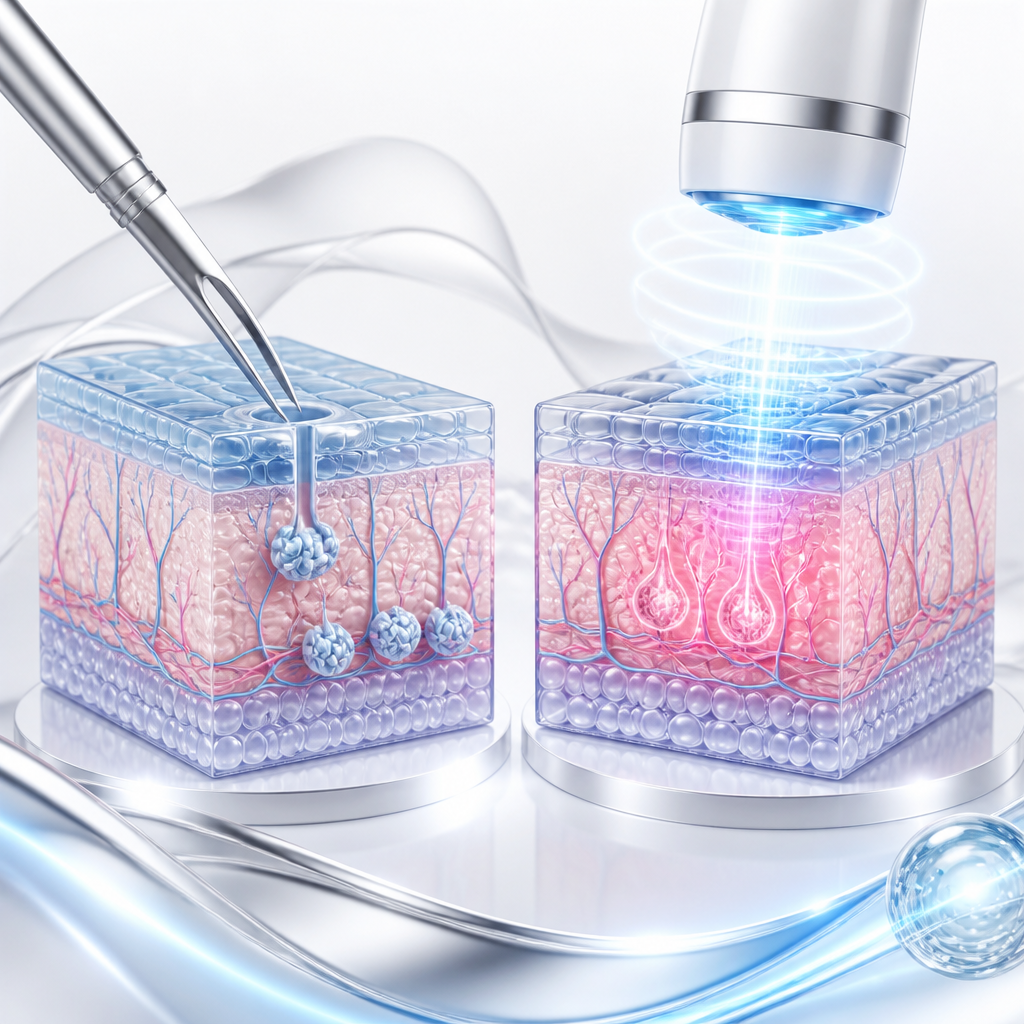
For patients who are not yet ready for a clinical procedure, several non-surgical alternatives exist. Conservative management—such as prescription-strength topical antiperspirants, iontophoresis, or oral anticholinergic medications—is reasonable for individuals with mild symptoms or those whose lifestyle is not severely disrupted. However, these methods only offer temporary relief and require continuous maintenance. In contrast, MiraDry provides a durable, non-invasive alternative to highly invasive surgeries like surgical curettage or sympathectomy, which carry higher risks of scarring and compensatory sweating.
| Treatment Option | Mechanism of Action | Downtime & Recovery | Primary Advantage | Clinical Limitation |
|---|---|---|---|---|
| MiraDry | Microwave thermal destruction of sweat glands | Immediate return to work; mild local swelling for 1-2 weeks | Permanent sweat reduction (average 82%) in 1-2 sessions | Transient local swelling, tenderness, and temporary numbness |
| Botulinum Toxin | Temporary blockade of acetylcholine release | No downtime; immediate routine resumption | Highly effective for temporary localized hyperhidrosis | Requires repeated treatments every 6 months to maintain effects |
| Surgical Curettage | Physical scraping/removal of deep dermal tissue | Requires bandaging, restricted arm movement for 1-2 weeks | Direct physical removal of subdermal sweat glands | Risk of scarring, skin necrosis, or prolonged wound healing |
According to official guidelines published by the International Hyperhidrosis Society, non-invasive microwave technology provides a highly consistent, clinically validated reduction in sweat volume, though individual therapeutic responses may vary depending on deep anatomical tissue composition.
What to Expect in the Recovery Timeline and How to Manage Side Effects?
According to multiple observational studies and meta-analyses, including clinical research published in the Journal of Cosmetic and Laser Therapy (2018), patients experience an average sweat reduction of 82% after completing the recommended protocol. While the procedure allows patients to return to their normal daily routines almost immediately, localized physical changes are expected as the body naturally heals.
The delivery of microwave energy causes controlled inflammation at the dermal-fat junction. Consequently, patients will experience moderate to significant swelling, redness, and mild tenderness in the underarms immediately after the procedure. Swelling typically peaks within the first 24 to 48 hours and gradually subsides over 1 to 2 weeks. Additionally, temporary numbness or an altered sensation in the axillary skin or upper arm may occur due to temporary irritation of the superficial nerves; this resolves spontaneously as the nerves recover.
However, outcomes may differ in exceptional cases such as individuals with atypical subcutaneous fat thickness or pre-existing sensory sensitivities, where localized swelling or minor skin irregularities may persist for several weeks longer before completely resolving.
To ensure a smooth recovery and minimize discomfort, patients should adhere to the following post-treatment guidelines:
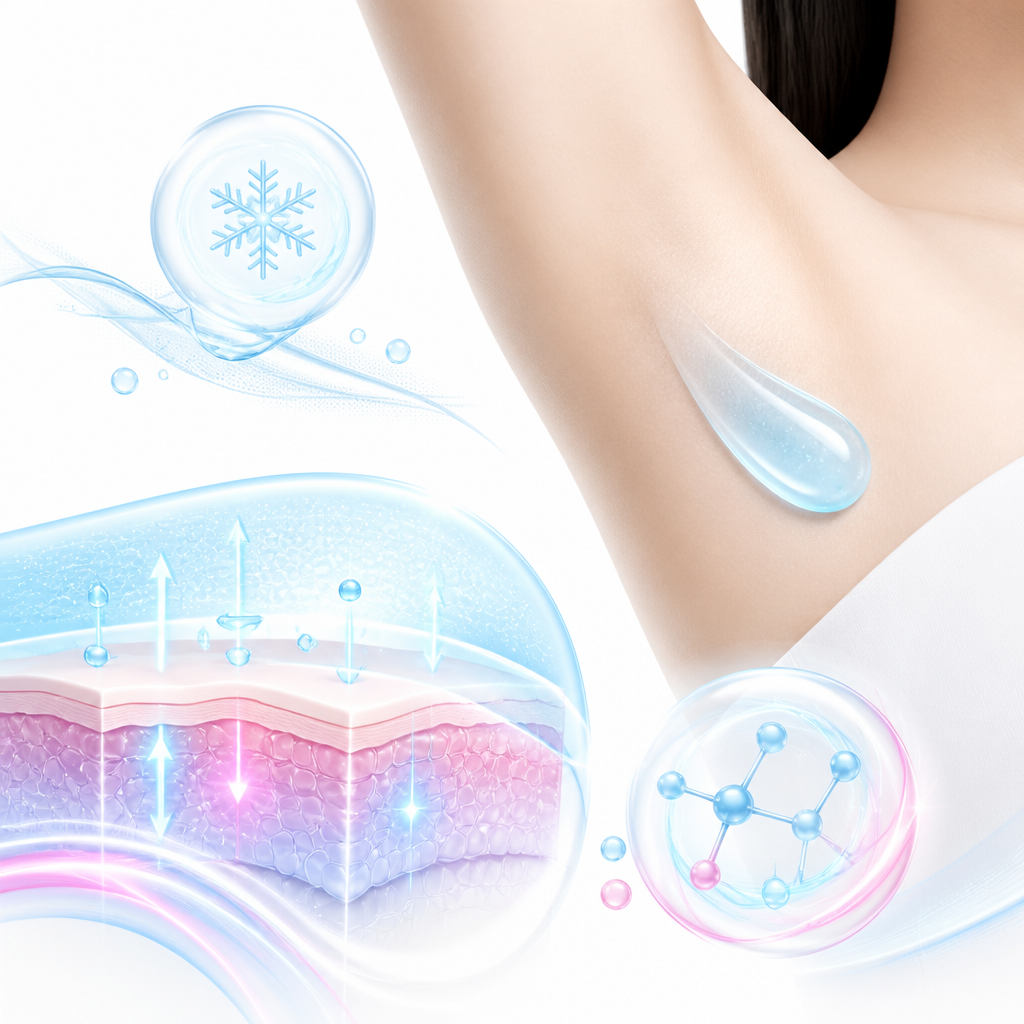
- Apply ice packs wrapped in a clean towel to the treated area for 15-20 minutes at a time, especially during the first 24 to 48 hours.
- Keep the treated underarm area clean by washing gently with mild, unscented soap and warm water.
- Avoid strenuous physical exercise, heavy lifting, or vigorous upper-body movement for at least 1 week.
- Refrain from using chemical deodorants, antiperspirants, or shaving the axillary hair for 4 to 6 days post-procedure.
- Wear loose-fitting, breathable clothing to prevent unnecessary friction against the swollen underarm tissue.
For optimal healing, patients can follow this simple decision-making flow:
Step 1: If axillary swelling and tenderness peak within the first 48 hours, then apply cold compresses consistently and rest.
Step 2: If mild lumps or band-like tightness form in the axilla after 1 week, then perform gentle self-massage and light stretching.
Step 3: If extreme pain, persistent redness, or signs of localized infection develop, then promptly seek clinical evaluation.
Frequently Asked Questions FAQ
QCan I return to my office job immediately after the MiraDry procedure?
Yes, you can return to desk work and light daily activities immediately. Since the procedure is non-surgical, there are no incisions or sutures. However, you should expect moderate swelling and mild soreness in the underarm region, so wearing loose clothing is recommended.
QAre the sweat-reducing effects of MiraDry truly permanent?
Yes. MiraDry uses microwave energy to permanently destroy eccrine and apocrine glands at the dermal-fat junction. Because sweat glands do not regenerate after birth, the targeted reduction in sweat (typically averaging 82% after clinical protocols) is long-lasting.
QIs the procedure painful, and how is comfort managed?
To ensure patient comfort, local anesthesia is administered to the axillary region prior to the application of microwave energy. Patients may feel slight pressure or suction from the device handpiece, but the treatment itself is well-tolerated. Post-treatment soreness can be effectively managed with cold compresses and over-the-counter anti-inflammatory medication.
This content is general medical information, and individual treatment decisions should be made through imaging tests and in-person medical evaluation.
Author: Medical content editor based on medical information research
Reviewed by: Specialist consultation from the relevant department
Last reviewed: 2026-07-21
Reference guideline: 2020 International Hyperhidrosis Society Guidelines
Medical neutrality and closing note
The core of medical decision-making is not to follow a specific device or a trending procedure, but to choose an option that fits each patient’s individual anatomy, condition, risk level, and treatment goals. Every procedure has both advantages and limitations, so decisions should be made after sufficient discussion with an experienced specialist.
[Medical information and copyright notice]
This content is a professional medical column prepared based on medical consultation from 제이케이성형외과의원.
The infographics used in this article are created to support understanding and may differ from actual clinical results.
The information provided is a general medical guideline, and accurate diagnosis and treatment require an in-person evaluation by a qualified specialist.