How to Choose Motiva Breast Augmentation in Apgujeong-dong: Clinical Standards and Safety Guidelines
Why is Motiva breast augmentation preferred for natural movement and safety?
Breast reconstruction and aesthetic enhancement have evolved significantly, moving away from rigid structures toward dynamic, tissue-harmonizing materials. For patients considering aesthetic plastic surgery in Apgujeong-dong, understanding the pathological and anatomical factors of implant choice is paramount. Breast implants are not merely inert objects; they interact continuously with the surrounding breast parenchyma and pectoral muscles. A major challenge in traditional implant surgery has been capsular contracture, a pathological condition where the body forms an excessively tight fibrous tissue capsule around the implant, leading to hardness, pain, and cosmetic distortion.
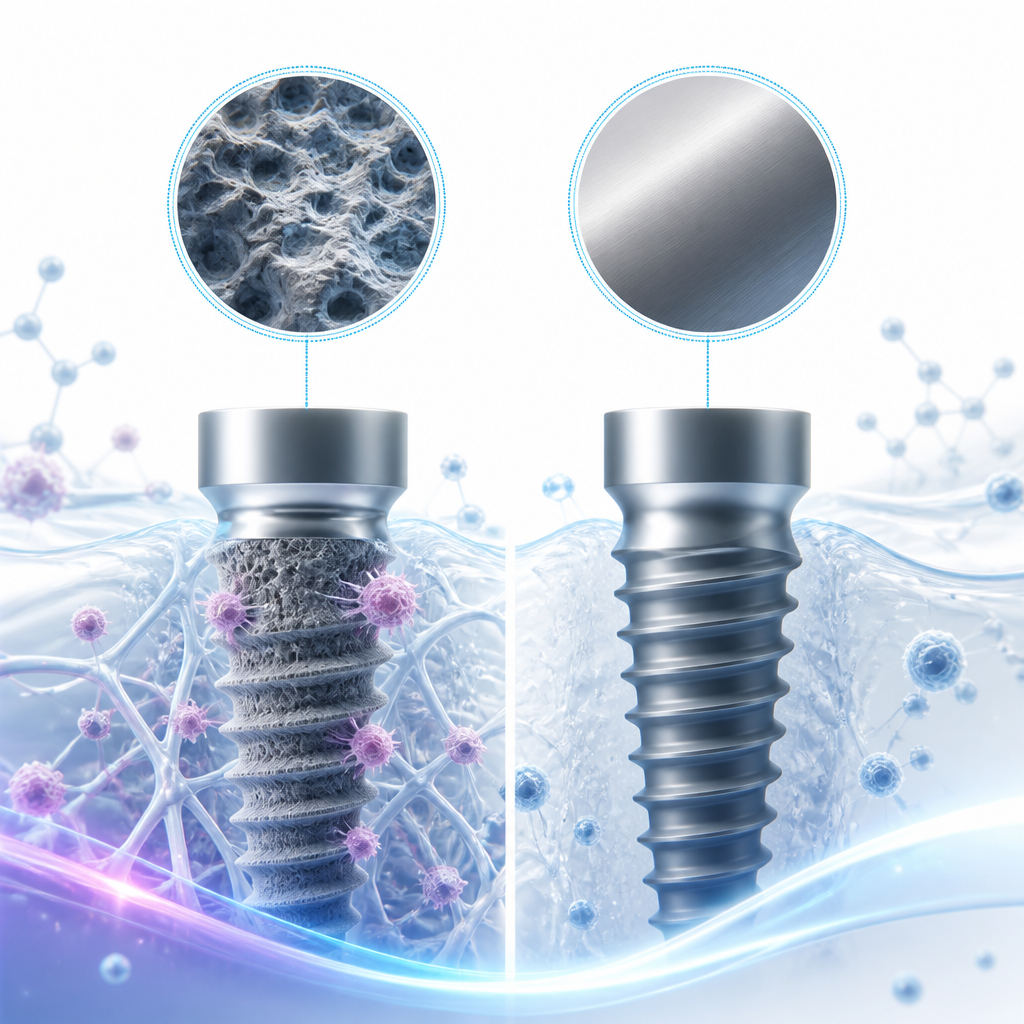
To address this pathological progression, Motiva breast implants utilize a unique microtextured surface (SmoothSilk/SilkSurface) and a highly cohesive gel. This cohesive gel possesses rheological properties that allow it to behave like natural breast tissue. In an upright posture, the gel shifts downward to create a natural teardrop shape, whereas in a supine position, it disperses laterally to mimic a natural breast profile. This dynamic adaptability, known as Motiva ergonomics, significantly improves patient satisfaction while maintaining a high safety profile. The advanced biocompatibility of the microtextured surface minimizes the chronic inflammatory response that typically leads to severe capsule formation.
Treatment timing: Ideal when soft tissue thickness is stable, post-pregnancy adjustments are complete, or structural volume reconstruction is medically planned.
Non-surgical care: Conservative management (such as physical therapy or massage) is not a substitute for volumetric correction but can be used for minor asymmetry or post-operative tissue conditioning.
Treatment selection: Driven by individual chest wall anatomy, tissue elasticity, rib cage width, and the patient’s long-term safety profile regarding capsular contracture.

What are the structural differences between Motiva and traditional breast implants?
When selecting the appropriate implant, clinicians evaluate several physical and chemical properties. According to multiple observational studies and meta-analyses, such as those published in the Aesthetic Surgery Journal (2021), the microtextured surface of Motiva implants demonstrated a capsular contracture rate of less than 1% over a five-year follow-up period. This is a substantial reduction compared to older generation smooth or heavily textured implants, which historically reported contracture rates ranging from 5% to over 10% under similar clinical conditions.
This remarkable difference in safety is largely attributed to the biocompatibility of the implant shell. Traditional textured implants were designed to prevent rotation, but their aggressive surface roughness often induced chronic friction, leading to double capsules or late seroma. In contrast, the microtextured surface of Motiva is designed to promote gentle tissue integration without aggressive friction, reducing the foreign body reaction. Additionally, the TrueMonobloc design ensures that the patch and the shell are fully integrated, distributing mechanical stress evenly and significantly reducing the risk of implant rupture during high-impact physical activities.
| Feature / Property | Traditional Implants | Motiva Ergonomix |
|---|---|---|
| Gel Cohesiveness | High viscosity but rigid, leading to artificial posture movement | Highly cohesive gel with dynamic rheology (Motiva ergonomics) |
| Surface Texture | Aggressive macrotextured or standard smooth surfaces | Biocompatible microtextured surface (SmoothSilk) |
| Capsular Contracture Risk | Moderate to High (5% 10% in long-term studies) | Extremely Low (less than 1% based on recent clinical data) |
| Post-op Massage | Often required for smooth types to maintain pocket space | Generally not recommended, reducing recovery complexity |
According to official guidelines or academic evidence, both quantitative criteria and clinical judgment should be reviewed together.
Are you an ideal candidate for Motiva breast augmentation?
While the technological advancements of Motiva breast implants offer a superior clinical profile, not every patient requires the same surgical approach. A comprehensive anatomical assessment is essential before finalizing the surgical plan. In Apgujeong-dong, experienced plastic surgeons utilize advanced diagnostic imaging, such as high-resolution ultrasound, to measure the thickness of the subcutaneous fat layer and the volume of the existing breast parenchyma. This quantitative assessment determines whether the implant should be placed subglandularly, subfascially, or via a dual-plane approach under the pectoralis major muscle.
However, outcomes may differ in exceptional cases such as patients with pre-existing autoimmune connective tissue disorders, severe chest wall deformities, or a history of radiation therapy. In these complex scenarios, standard surgical protocols must be carefully tailored, and alternative reconstructive techniques or multi-stage procedures should be discussed.
- Tissue Elasticity: Patients with sufficient soft tissue coverage (greater than 2cm) are excellent candidates for subglandular or subfascial placement.
- Active Lifestyle: Individuals who participate in high-intensity sports benefit from the low friction and high structural integrity of the TrueMonobloc design.
- History of Revision Surgery: Patients who have previously experienced capsular contracture with traditional implants are strong candidates for Motiva due to its superior biocompatibility.
- Anatomical Symmetry: Ideal for correcting mild to moderate breast asymmetry where natural shifting of implant volume is critical.
To assist in the clinical decision-making process, patients can refer to the following clinical pathway:
Step 1 (If): If soft tissue thickness is less than 2cm, Then: Consider dual-plane placement to ensure adequate implant coverage and minimize rippling.
Step 2 (If): If active lifestyle is a primary concern, Then: Opt for Motiva ergonomics whose dynamic gel profile adapts to posture and resists rupture.
Step 3 (If): If early capsular contracture signs are detected (Baker Grade I/II), Then: Implement conservative ultrasound therapy and medication before considering revision surgery.
Frequently Asked Questions FAQ
QHow does Motiva reduce the risk of capsular contracture?
Motiva uses a highly biocompatible microtextured surface and a highly cohesive gel that minimizes friction and foreign body reaction, significantly reducing the occurrence of capsular contracture compared to older shell technologies.
QIs massage required after a Motiva implant procedure?
No, unlike traditional smooth implants that may require post-operative massage to maintain the pocket, Motiva’s microtextured surface is designed for stable tissue integration, and massage is generally not recommended as it could interfere with healing.
QWhen can I return to normal physical activities after the procedure?
Light walking can begin immediately, but strenuous upper body exercises or heavy lifting should be avoided for at least 4 to 6 weeks to ensure proper positioning and tissue recovery.
This content is general medical information, and individual treatment decisions should be made through imaging tests and in-person medical evaluation.
Author: Medical content editor based on medical information research
Reviewed by: Specialist consultation from the relevant department
Last reviewed: 2026-07-22
Reference guideline: 2022 International Society of Aesthetic Plastic Surgery (ISAPS) Consensus Guidelines
Medical neutrality and closing note
The core of medical decision-making is not to follow a specific device or a trending procedure, but to choose an option that fits each patient’s individual anatomy, condition, risk level, and treatment goals. Every procedure has both advantages and limitations, so decisions should be made after sufficient discussion with an experienced specialist.
[Medical information and copyright notice]
This content is a professional medical column prepared based on medical consultation from 제이케이성형외과의원.
The infographics used in this article are created to support understanding and may differ from actual clinical results.
The information provided is a general medical guideline, and accurate diagnosis and treatment require an in-person evaluation by a qualified specialist.