Introduction
For international patients navigating the challenges of primary axillary hyperhidrosis—commonly known as excessive underarm sweating—the search for a permanent, non-invasive solution often leads to specialized medical hubs. In recent years, South Korea has emerged as a premier destination for advanced energy-based treatments due to its high clinical volume and standardized medical protocols. Patients traveling from abroad frequently seek a balance between clinical efficacy and minimal downtime, making microwave-based thermal thermolysis a leading choice. Understanding the medical nuances of this procedure, from the physiological mechanism to the specific recovery milestones, is essential for anyone considering medical travel to Apgujeong, Seoul for dermatological or plastic surgery interventions. This column explores the core principles of underarm sweat reduction and the criteria for selecting a high-standard medical facility.
Line 1: Medically, Miradry is defined as a non-invasive thermal treatment that utilizes optimized microwave energy (5.8 GHz) to target and permanently eliminate eccrine and apocrine sweat glands at the dermal-fat interface.
Line 2: Conservative management, such as topical aluminum chloride or oral anticholinergics, is reasonable for patients with mild, intermittent symptoms or those with contraindications to thermal energy treatments.
Line 3: Selecting a provider requires verifying the institution’s experience with international patients, its adherence to hydro-ceramic cooling safety protocols, and the availability of English-language clinical support.

The Physiological Mechanism of Microwave-Based Sweat Reduction
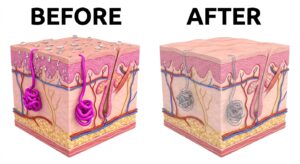
Medically, the condition of hyperhidrosis involves the overstimulation of sweat glands by the sympathetic nervous system, often independent of thermoregulation requirements. According to multiple peer-reviewed publications, the microwave energy utilized in this procedure specifically targets the region where the highest concentration of sweat and odor glands reside. By delivering controlled thermal energy, the treatment induces thermolysis of the sweat glands while simultaneously protecting the upper layers of the skin through a specialized cooling system. This selective heating is possible because the dielectric properties of the sweat-gland-rich tissue allow it to absorb microwave energy more efficiently than the surrounding dermis.
Multiple peer-reviewed publications report that the elimination of these glands is permanent because adult sweat glands do not regenerate once destroyed by thermal energy. The procedure typically focuses on the axillary region, where the energy creates a focal zone of heat. International medical society guidelines indicate that the depth of the treatment—usually between 2 to 5 millimeters—is critical to reaching both eccrine glands (responsible for sweat) and apocrine glands (responsible for odor). This dual-action mechanism is what differentiates microwave therapy from temporary neurotoxin injections.
However, in exceptional cases where a patient’s anatomical sweat gland distribution extends beyond the standard treatment template, a single session may result in residual moisture, necessitating a secondary assessment. It is important to note that the body contains millions of sweat glands, and the axillary glands represent only about 2% of the total; therefore, their elimination does not impair the body’s overall ability to thermoregulate or “detoxify” through perspiration.
Comparative Analysis of Underarm Sweat Treatments
When evaluating options for axillary hyperhidrosis, patients must weigh the longevity of results against the invasiveness of the procedure. Clinical data from Korean medical centers suggests that many patients transition to energy-based treatments after finding temporary solutions like botulinum toxin injections to be inconvenient for long-term management. Below is a medical comparison of the most common modalities.
| Feature | Microwave Therapy (Miradry) | Botulinum Toxin Injection | Surgical Excision/Liposuction |
|---|---|---|---|
| Mechanism | Thermal thermolysis of glands | Temporary nerve signal blockage | Physical removal of glands |
| Longevity | Permanent reduction | 4–9 months | Permanent |
| Downtime | 1–3 days (mild swelling) | Immediate return to activity | 1–2 weeks (surgical recovery) |
| Medical Limitation | Not for patients with pacemakers | Requires repeated treatments | Risk of scarring and infection |
According to multiple observational studies and meta-analyses, microwave-based therapy maintains a high satisfaction rate (often exceeding 90% at 12-month follow-up) due to its non-surgical nature. However, in exceptional cases where patients have a history of compensatory sweating from previous thoracic surgeries, the perceived outcome of new procedures may be influenced by existing physiological patterns.
Criteria for International Patient Selection: Checklist & Decision Flow
For those traveling to the specialized medical district in Apgujeong, Seoul, the decision to proceed with microwave therapy should be based on a rigorous evaluation of symptoms and clinical suitability. International patients must also consider the logistics of post-procedure follow-up and the availability of English-speaking staff to manage any post-treatment concerns.
- Symptom Severity: Does the sweat significantly interfere with daily professional or social activities despite the use of clinical-grade antiperspirants?
- Medical History: Ensure you do not have electronic implants (pacemakers), use supplemental oxygen, or have local skin infections in the axillary area.
- Anatomy Check: A specialized clinic should perform a starch-iodine test or a physical mapping of the sweat area to customize the energy delivery.
- Travel Timeline: Can you allocate at least 24–48 hours for local rest before a long-haul flight to manage initial swelling?
- Provider Credentials: Does the facility utilize the latest FDA-cleared technology and provide transparent post-care instructions in English?
• If: Symptoms persist for more than 6 months despite conservative management → Then: Pursue a formal medical evaluation for permanent thermal therapy.
• If: The patient has a high sensitivity to pain or history of local anesthetic allergy → Then: Compare energy settings and discuss staged treatment protocols with the specialist.
• If: The patient is a medical tourist with limited stay duration → Then: Prioritize centers that offer pre-travel video consultations to confirm candidacy.
Recent public health statistics show that a significant portion of international patients seek treatment for bromhidrosis (foul odor) as much as for hyperhidrosis. The microwave energy effectively targets apocrine glands, which are larger and situated slightly deeper than eccrine glands. However, in exceptional cases where the odor is caused by systemic metabolic conditions rather than local sweat gland activity, the efficacy of local thermal treatments may be limited.
The International Patient Experience: Recovery and Logistics
One of the primary advantages for patients visiting South Korea for this procedure is the highly efficient clinical workflow. According to multiple peer-reviewed publications, the procedure itself typically takes about 60 to 90 minutes. It begins with the administration of a local anesthetic to ensure comfort. The device then uses a vacuum-assisted handpiece to bring the sweat glands closer to the energy source while cooling the epidermis.
International medical society guidelines indicate that post-treatment swelling and “lumpiness” in the underarm area are normal physiological responses to thermal energy and typically resolve within a few weeks. For medical tourists, it is often recommended to avoid heavy lifting or strenuous exercise for several days. Most patients are able to return to light activities or sightseeing in the local area immediately, provided they follow icing protocols.
Clinical data from Korean medical centers suggests that the safety profile of microwave-based therapy is exceptionally high when performed by board-certified specialists. The risk of long-term nerve damage or significant skin burns is minimized by the integrated hydro-ceramic cooling system. However, in exceptional cases where patients have very thin subcutaneous fat layers, the clinician may need to adjust the energy intensity to prevent unintended thermal spread to deeper structures.
Frequently Asked Questions for Medical Tourists
Q: How long should I stay in the region after the procedure?
A: While the procedure itself is outpatient, it is medically advisable to stay for at least 1–2 days to monitor for any rare immediate complications and to ensure the initial swelling is manageable before air travel. Leading providers in the region often schedule a follow-up check within 24 hours.
Q: Is the treatment painful for those with low pain tolerance?
A: The procedure involves the use of local tumescent anesthesia, which numbs the area completely. Most patients report a sensation of pressure or mild warmth but no acute pain. International medical centers often utilize specialized numbing techniques to enhance patient comfort.
Q: Can I arrange a consultation before traveling from abroad?
A: Yes, many institutions serving international patients provide preliminary evaluations via secure messaging or video calls. This allows the medical team to review your history and determine if you are a suitable candidate before you book your flight.
However, in exceptional cases where a physical examination reveals unexpected skin conditions or anatomical anomalies, the final treatment plan may be adjusted during the in-person consultation.

This content represents general medical information, and individual treatment decisions should be made through imaging diagnostics and in-person consultation with a qualified medical professional.
Medical Neutrality and Closing Notes
The essence of this treatment lies not in following a specific device or trending technique, but in making the medical choice most suited to each patient’s individual anatomy and condition. Every procedure has both advantages and limitations, and thorough consultation with a qualified specialist is essential before any decision.
[Medical Information Disclosure and Copyright Notice]
• This content has been produced as a professional medical column based on the medical advisory of 제이케이성형외과의원, a medical institution located in South Korea.
• Infographics used in this article were created with the assistance of AI technology for illustrative purposes and may differ from actual clinical outcomes.
• The information provided reflects general medical guidelines. For accurate diagnosis and treatment, please visit a qualified medical institution and consult directly with a specialist.
• For inquiries regarding English-language consultation, international patient services, or medical travel arrangements, please contact the medical institution directly.
Author: Medical Content Editor (Based on Medical Literature Research)
Medical Review: Specialist in Plastic Surgery
Last Reviewed: {TODAY_DATE}
Reference Guidelines: International Hyperhidrosis Society (2023), American Academy of Dermatology (AAD) axillary hyperhidrosis protocols.
This content is provided for general medical information purposes, and individual diagnostic and treatment decisions should be made through consultation with qualified medical professionals.