Is Density Reinforcement Hair Transplant Right for You? A Clinical Decision Guide
Why Is Diffuse Hair Thinning More Challenging Than a Receding Hairline?
Diffuse hair thinning presents a unique clinical challenge compared to traditional hairline recession. When correcting a receding hairline, the surgeon works on an empty canvas. However, density reinforcement requires grafting hair follicles into areas where thin, miniaturized native hairs still exist. This requires microscopic precision to avoid injuring the surrounding follicles, a phenomenon known in hair restoration as surgical shock loss.
Treatment timing: Density correction should be performed when native hair miniaturization has stabilized under medical therapy, typically with visible scalp but healthy donor hair.
Non-surgical care: Conservative treatments like pharmacological DHT blockers and topical minoxidil are essential first-line therapies, suitable when hair follicles are miniaturized but still viable.
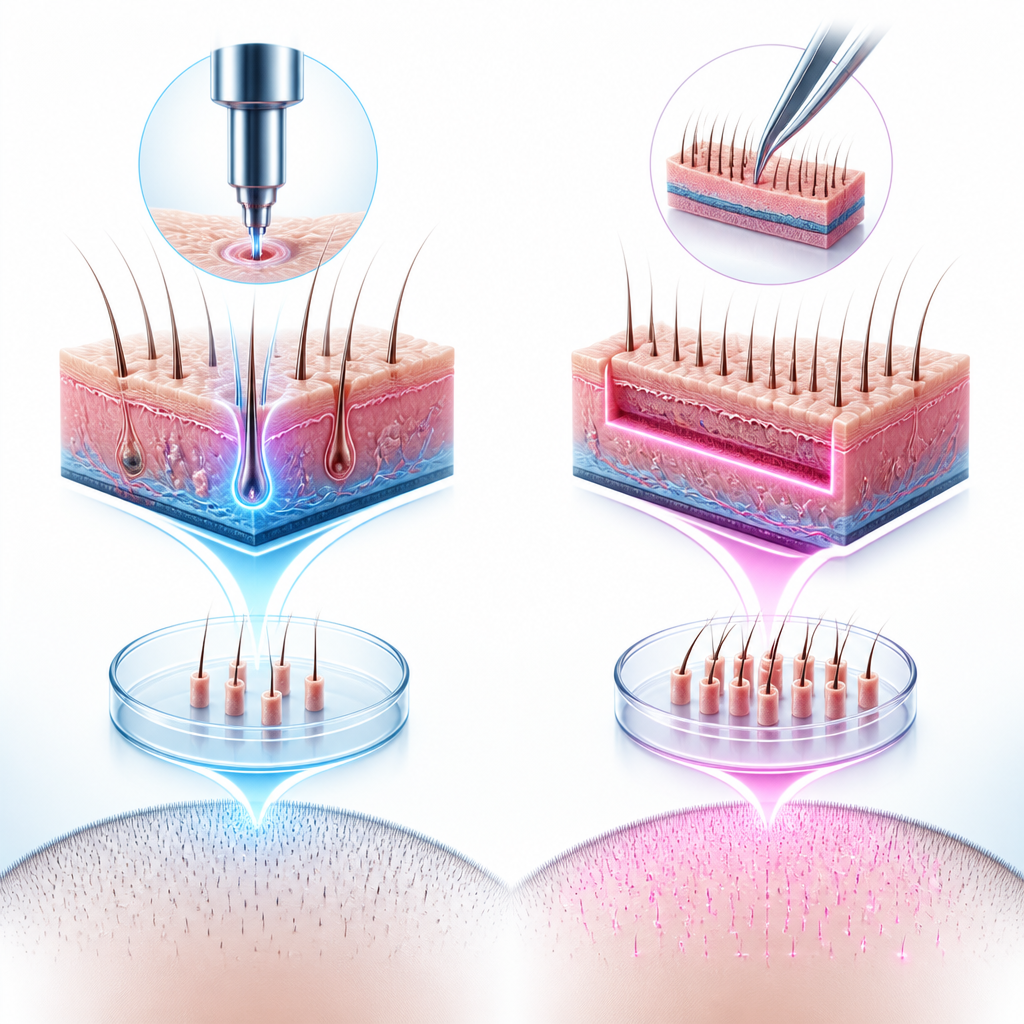
Treatment selection: The choice between micro-FUE and FUT is guided by donor density, scalp elasticity, and the risk of temporary shock loss in adjacent native hair.
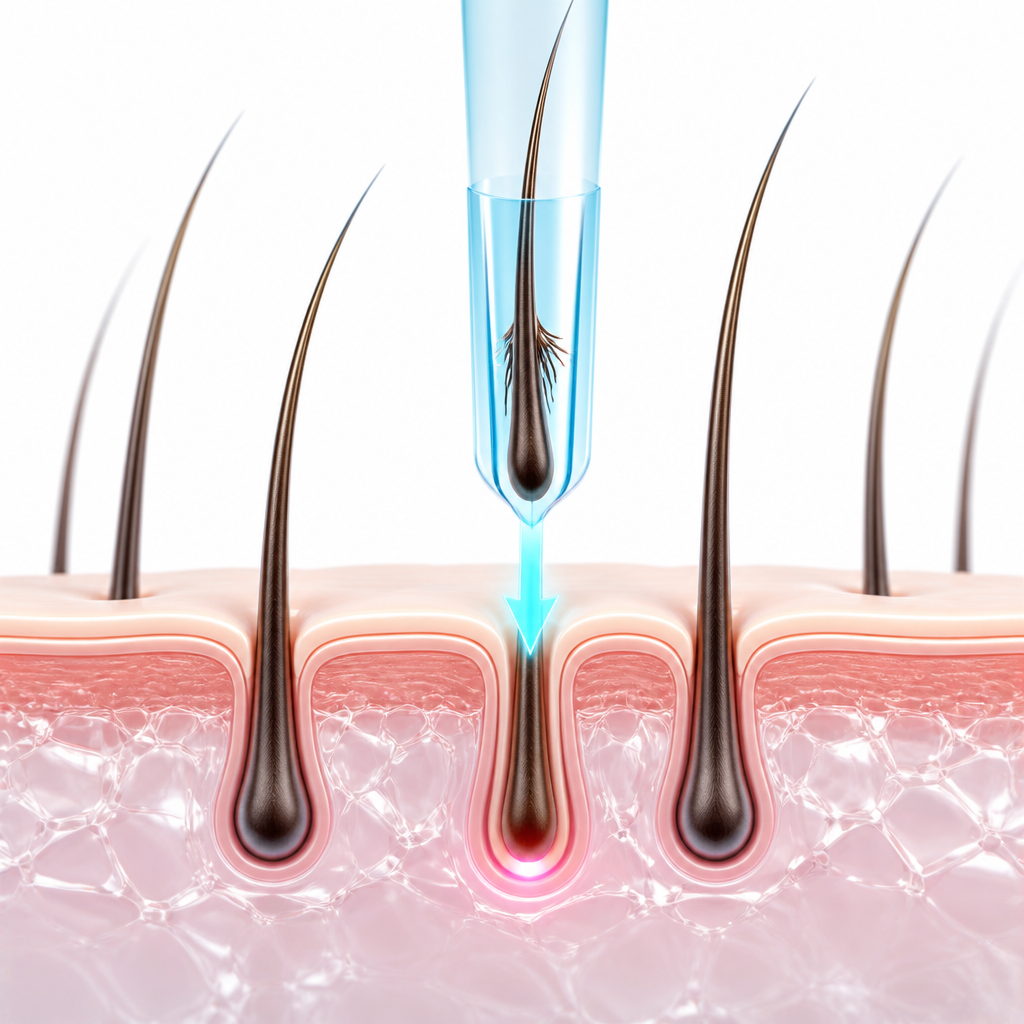
Understanding the Pathophysiology of Diffuse Thinning and Follicular Miniaturization
Androgenetic alopecia is a progressive genetic disorder characterized by the gradual miniaturization of hair follicles under the influence of dihydrotestosterone, leading to decreased hair density and eventual follicular atrophy. As the growth (anagen) phase shortens, the hair shaft becomes progressively thinner and shorter until the follicle stops producing visible hair. Density reinforcement aims to fill these widening gaps before complete scarring occurs.
According to multiple observational studies and meta-analyses published in international dermatological journals, the survival rate of transplanted hair follicles in density correction exceeds 90% to 95% when executed with micro-grafting tools by an experienced surgeon. However, outcomes may differ in exceptional cases such as patients with active cicatricial alopecia, untreated thyroid dysfunction, or uncontrolled systemic inflammatory conditions.
| Criteria | Follicular Unit Extraction (FUE) | Follicular Unit Transplantation (FUT) |
|---|---|---|
| Primary Advantage | No linear scar, faster donor-site recovery. | Higher graft yield per session, preserves adjacent tissue. |
| Key Limitation | Requires shaving donor area, longer procedure time. | Leaves a linear donor scar, longer healing time. |
| Suitability for Density | Excellent for focused, high-precision gap filling. | Ideal for large-scale density reinforcement. |
According to official guidelines from the International Society of Hair Restoration Surgery (ISHRS), both quantitative donor density criteria and meticulous clinical judgment regarding recipient-site scalp tension must be reviewed together to prevent vascular compromise.
Clinical Checklist: Are You a Candidate for Hair Density Correction?
Before undergoing surgery, a thorough evaluation is required. The following parameters help determine clinical suitability:
- Stabilization of active hair loss for at least 6 to 12 months using medical therapy.
- Sufficient donor hair density in the occipital scalp (typically exceeding 60-70 follicular units/cm²).
- Sufficient inter-follicular space (at least 1 to 2 mm between native hairs) to avoid transecting existing follicles.
- Realistic expectations regarding final visual density and natural hair distribution.
- Willingness to continue post-operative pharmacological treatment to protect native, non-transplanted hair.
Step 1 (Assessment): If native hair thinning is actively progressing, then initiate pharmacological stabilization for at least 6 months.
Step 2 (Gap Evaluation): If donor hair density is sufficient and a clear inter-follicular gap exists, then proceed with customized micro-grafting design.
Step 3 (Post-care): If the procedure is complete, then adhere strictly to both local graft care and systematic DHT inhibitor therapy to protect surrounding native hair.
Frequently Asked Questions FAQ
QDoes density reinforcement hair transplant cause damage to existing hair?
There is a minor risk of temporary “shock loss” due to localized tissue edema and vascular competition during the procedure. However, this is largely preventable when a skilled surgeon uses high-magnification loupes and micro-needles to carefully navigate the existing follicles. Most shocked hairs shed temporarily and regrow within 3 to 4 months.
QHow long does it take to see the final results of density correction?
Transplanted follicles typically undergo a shedding phase within the first 2 to 4 weeks. New hair growth begins around month 3, with noticeable density improvements visible by month The final, mature aesthetic outcome is typically evaluated 12 months post-procedure.
QCan I get a density transplant without shaving my head?
Yes, non-shaven FUE or FUT techniques allow the surgeon to extract and graft follicles without significant shaving. This is highly beneficial for patients who require a rapid return to daily social or professional activities, though the procedure may take longer than a standard shaven FUE session.
This content is general medical information, and individual treatment decisions should be made through imaging tests and in-person medical evaluation.
Author: Medical content editor based on medical information research
Reviewed by: Specialist consultation from the relevant department
Last reviewed: 2026-06-23
Reference guideline: 2022 International Society of Hair Restoration Surgery (ISHRS) Guidelines
Medical neutrality and closing note
The core of medical decision-making is not to follow a specific device or a trending procedure, but to choose an option that fits each patient’s individual anatomy, condition, risk level, and treatment goals. Every procedure has both advantages and limitations, so decisions should be made after sufficient discussion with an experienced specialist.
[Medical information and copyright notice]
This content is a professional medical column prepared based on medical consultation from 제이케이성형외과의원.
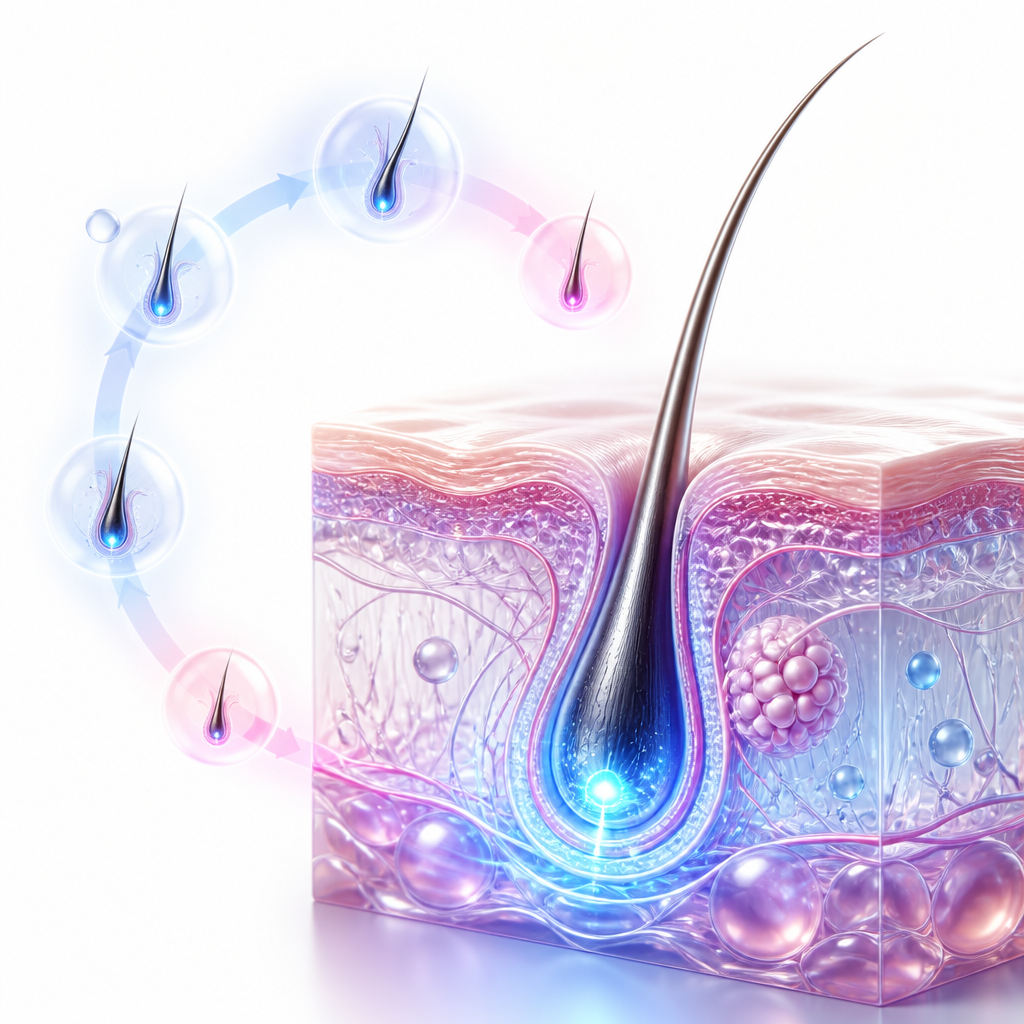
The infographics used in this article are created to support understanding and may differ from actual clinical results.
The information provided is a general medical guideline, and accurate diagnosis and treatment require an in-person evaluation by a qualified specialist.