How Do You Choose the Right Motiva Breast Augmentation in Apgujeong Station? A Medical Guide on Safety, Fit, and Recovery
Why is choosing the correct implant volume and profile critical for your anatomy?
Many patients seeking breast augmentation in Apgujeong Station often focus primarily on size, but medical guidelines emphasize that implant safety, tissue coverage, and anatomical proportions are the real keys to long-term satisfaction. Breast hypoplasia or involution is characterized by a deficiency in glandular and adipose tissue volume relative to the thoracic dimensions, a progressive structural alteration often accelerated by post-pregnancy changes or aging-induced ptosis. Therefore, selecting an implant requires a scientific analysis of the patient’s chest wall width, skin elasticity, and the thickness of the parenchymal tissue.
While surgical augmentation is the primary method to address tissue volume deficiency, non-surgical alternatives like structured pectoral exercise, external prosthetic devices, and weight management should be considered as conservative options, which are reasonable when the patient desires a natural volume change of less than half a cup size without invasive tissue manipulation. However, for a structural and permanent correction of parenchymal volume, cohesive gel implants remain the standard of care.
Treatment timing: Ideal timing is when physical growth is complete and tissue dimensions are stable, typically after age 22, or at least six months post-lactation.
Non-surgical care: Conservative management is reasonable for mild asymmetry or minor volume loss where invasive risks are not preferred.
Treatment selection: Final choice must integrate the patient’s thoracic width, dynamic tissue stretch threshold, subcutaneous fat thickness, and postoperative lifestyle goals.
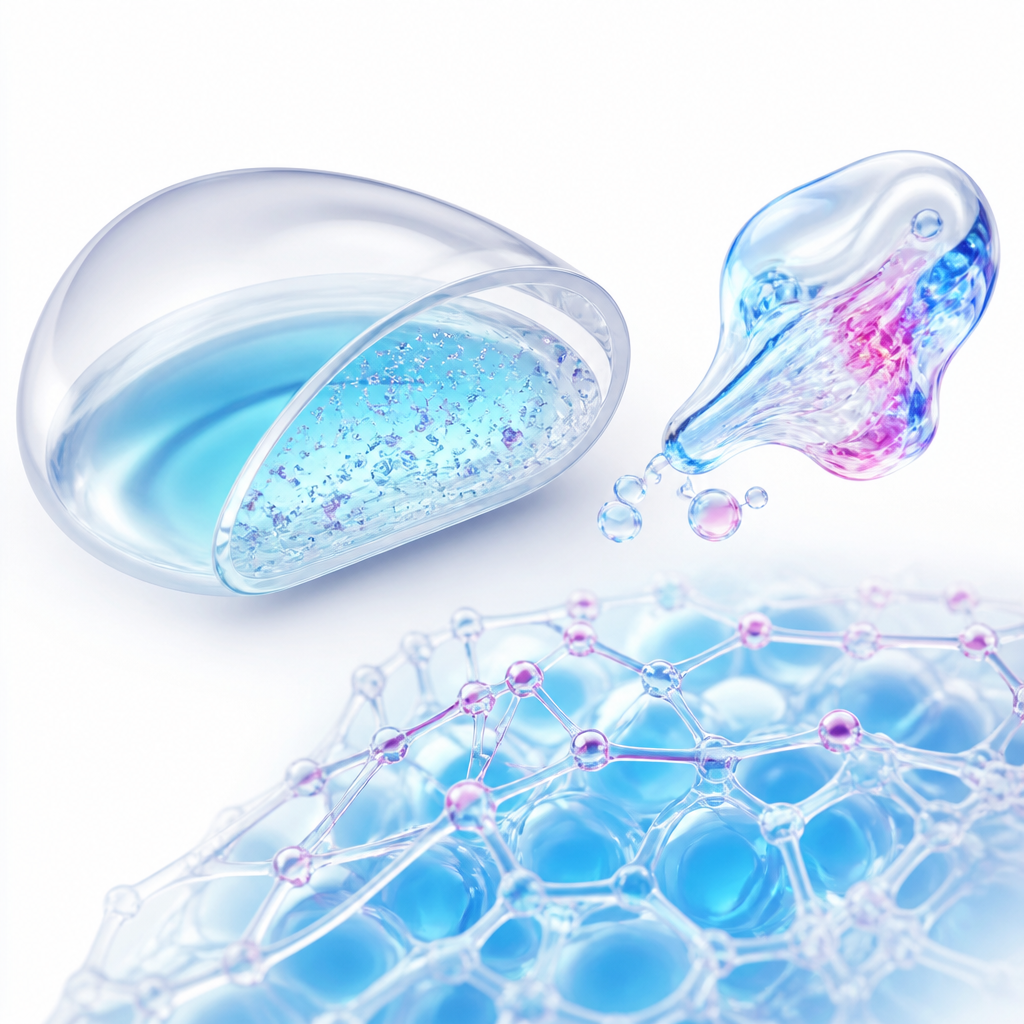
What makes Motiva cohesive gel unique? Comparing structural integrity and dynamic movement
Motiva implants are distinguished by their advanced Ergonomix design, which transitions from a round shape when lying down to an anatomical teardrop shape when standing. This is made possible by a high-performance cohesive gel that exhibits low viscosity and high elasticity. According to multiple observational studies and meta-analyses published in the Aesthetic Surgery Journal (2022), patients undergoing Motiva breast augmentation reported a low capsular contracture rate of under 1.5% over a 5-year follow-up period, demonstrating exceptional bio-compatibility.
To help patients understand their choices, the table below compares different implant designs and their clinical characteristics:
| Implant Type | Gel Characteristics | Key Clinical Advantage | Primary Limitation |
|---|---|---|---|
| Motiva Ergonomix | Highly viscoelastic, dynamic adaptive gel | Natural movement resembling real breast tissue | Requires precise pocket dissection to allow gel dynamics |
| Traditional Round | High viscosity, fixed shape gel | Excellent upper pole fullness | Can look artificial when standing or moving actively |
| Anatomical (Teardrop) | Form-stable, highly cohesive gel | Predictable lower pole volume projection | Risk of implant rotation causing visible distortion |
According to official guidelines or academic evidence, both quantitative criteria and clinical judgment should be reviewed together. Device selection should prioritize the patient\’s individual tissue tolerance over simple volume preferences to minimize long-term capsular response.
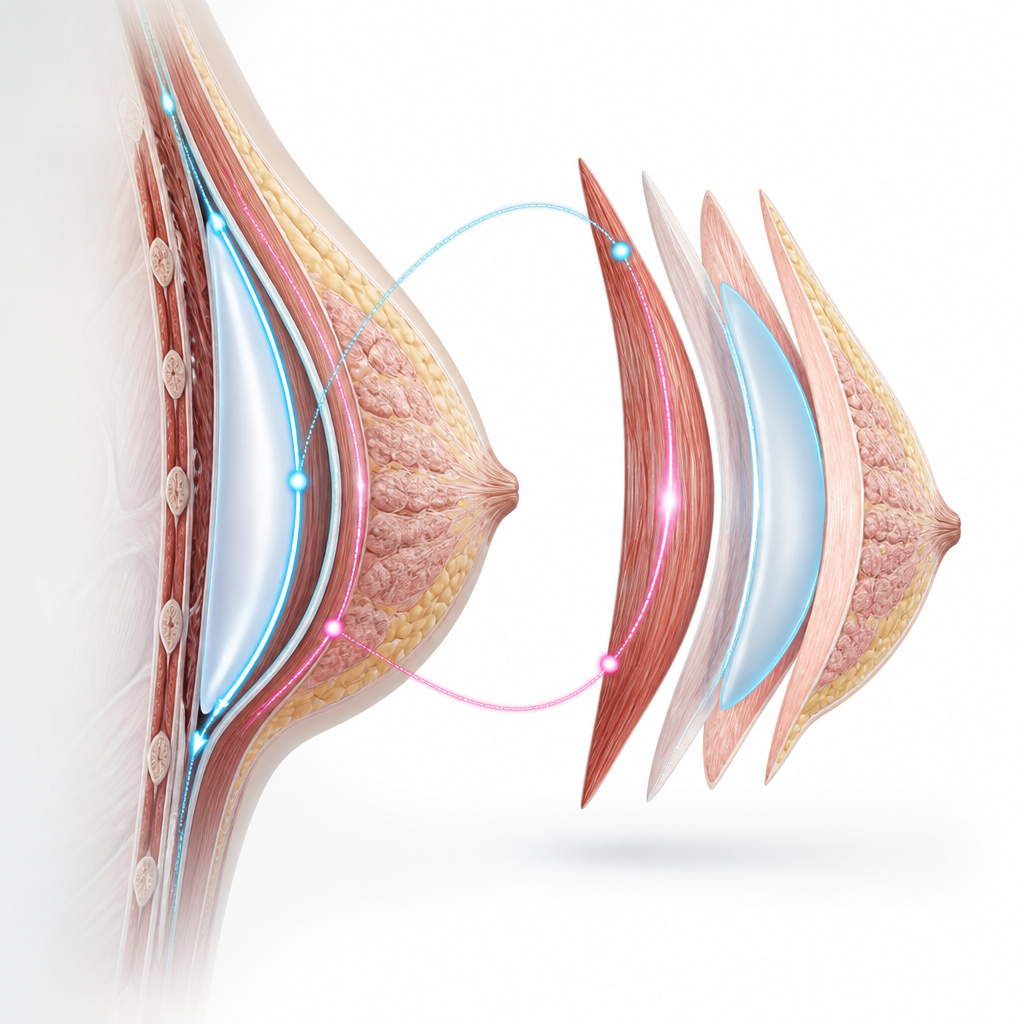
What is the clinical safety checklist when consulting with a plastic surgeon in Apgujeong Station?
Before undergoing any surgical procedure, a structured clinical checklist must be followed to minimize risks such as hematoma, seroma, or implant malposition. Safety is not determined by the device alone, but by the comprehensive surgical approach. When preparing for Motiva breast augmentation in Apgujeong Station, patients should evaluate the following points during their specialist consultation:
- Pre-operative 3D breast imaging: Utilizing scientific scanning to measure accurate volume requirements and asymmetry.
- Rib cage and tissue elasticity measurements: Verifying if the desired implant diameter fits within the safe limits of the breast base.
- Full-layer ultrasound examination: Checking the health of existing breast tissue and screening for any pre-existing cysts or lesions.
- Anesthetic monitoring systems: Ensuring a dedicated board-certified anesthesiologist manages the entire procedure.
- Postoperative recovery protocols: Establishing structured scar management, high-frequency therapy, and routine ultrasound checkups.
However, outcomes may differ in exceptional cases such as patients with severe pre-existing chest wall asymmetry (pectus excavatum) or active autoimmune connective tissue disorders.
To assist in your clinical decision-making, follow this 3-step decision flow:
Step 1: If your natural breast tissue thickness is less than 2cm, then consider submuscular dual-plane placement to ensure adequate implant coverage.
Step 2: If skin elasticity is highly compliant but base width is narrow, then opt for a demi or mini profile implant to avoid lateral displacement.
Step 3: If rapid recovery is your primary goal, then confirm that the surgical plan utilizes endoscopic dissection to minimize internal bleeding and trauma.
Frequently Asked Questions FAQ
QWhat is the average recovery period for Motiva breast augmentation?
Most patients can return to non-strenuous daily activities within 3 to 7 days post-surgery. However, strenuous physical activities, heavy lifting, and intense cardiovascular exercises should be avoided for at least 4 to 6 weeks to allow the implant capsule to stabilize and minimize the risk of late-stage seroma.
QDoes Motiva require postoperative massage or specific care?
Unlike older generations of textured or smooth implants, Motiva features a SilkSurface nanotechnology shell that does not require painful postoperative massage. In fact, aggressive massage is discouraged as it can disrupt the tissue-implant integration process. Following basic supportive bra protocols is sufficient for natural settling.
QHow does the safety profile of Motiva compare to older generations of implants?
According to long-term clinical data, Motiva implants exhibit a significantly lower incidence of capsular contracture (under 1.5%), double capsules, and late-stage seroma. The inclusion of BluSeal barrier technology also allows surgeons to visually inspect the implant integrity before insertion, providing an extra layer of safety.

This content is general medical information, and individual treatment decisions should be made through imaging tests and in-person medical evaluation.
Author: Medical content editor based on medical information research
Reviewed by: Specialist consultation from the relevant department
Last reviewed: 2026-06-22
Reference guideline: 2023 International Society of Aesthetic Plastic Surgery (ISAPS) Guidelines
Medical neutrality and closing note
The core of medical decision-making is not to follow a specific device or a trending procedure, but to choose an option that fits each patient’s individual anatomy, condition, risk level, and treatment goals. Every procedure has both advantages and limitations, so decisions should be made after sufficient discussion with an experienced specialist.
[Medical information and copyright notice]
This content is a professional medical column prepared based on medical consultation from 제이케이성형외과의원.
The infographics used in this article are created to support understanding and may differ from actual clinical results.
The information provided is a general medical guideline, and accurate diagnosis and treatment require an in-person evaluation by a qualified specialist.