Is a Hair Transplant at an Apgujeong-dong Plastic Surgery the Right Option for Your Progressive Hair Loss?
How Does Androgenetic Alopecia Progress and When Should You Seek Professional Care?
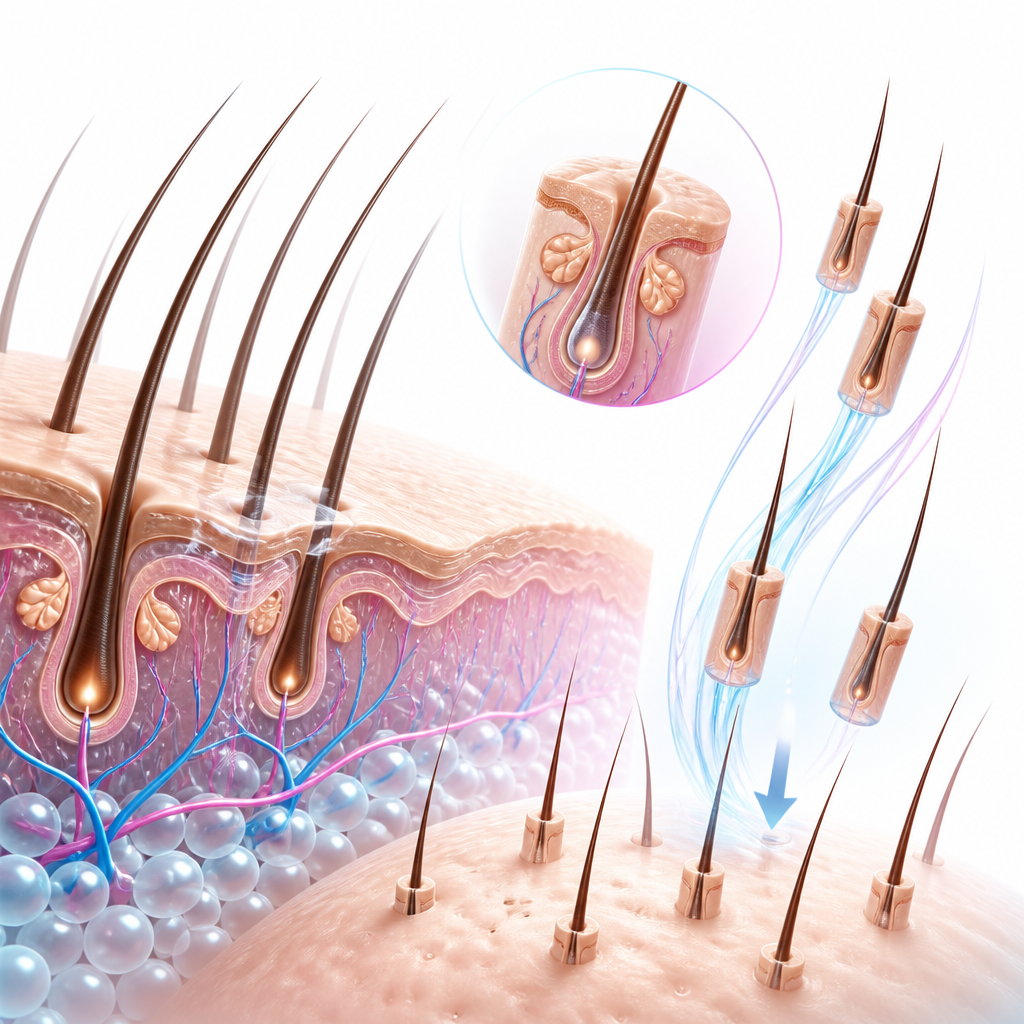
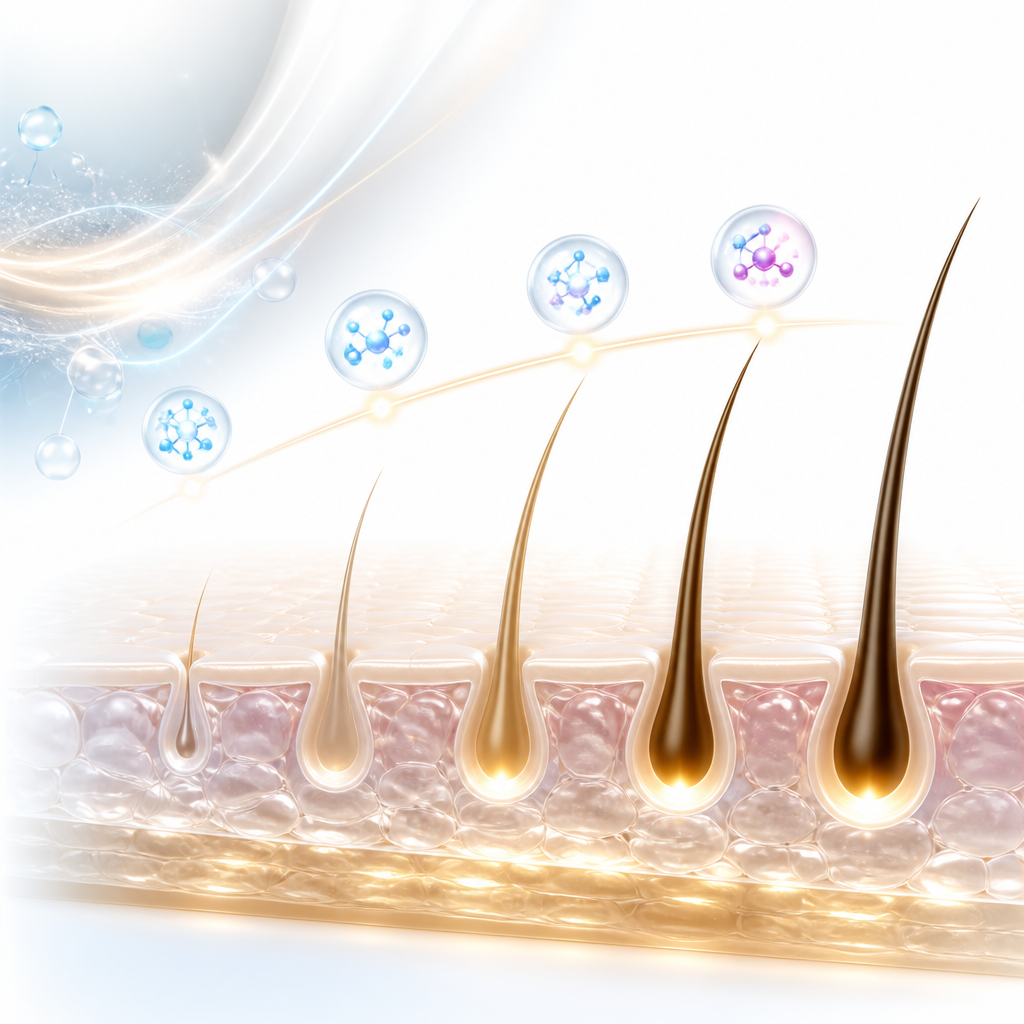
Androgenetic alopecia is a genetically predetermined, progressive hair loss condition characterized by the gradual miniaturization of terminal hair follicles on the scalp, primarily driven by the hormone dihydrotestosterone (DHT) acting on dermal papilla cells. This underlying pathophysiological mechanism leads to shorter growth cycles and finer hairs until the follicles eventually atrophy. Patients experiencing this pattern often seek evaluation at an Apgujeong-dong plastic surgery center to assess whether surgical restoration is appropriate. While pharmacological therapies can slow down the rate of miniaturization, they cannot regenerate completely lost follicles. Therefore, determining the precise progression phase is crucial. According to multiple observational studies and meta-analyses, surgical intervention should be considered when conservative therapies fail to halt hair recessions or when significant aesthetic restoration is requested by the patient.
Treatment timing: Surgical intervention is ideal when hair loss has stabilized under medical management and visible recession has occurred (typically Norwood Scale Stage III or higher).
Non-surgical care: Conservative treatments, including DHT-inhibitors (finasteride/dutasteride), topical minoxidil, and low-level laser therapy (LLLT), are recommended for early-stage thinning or to preserve non-transplanted native hair.
Treatment selection: The choice between FUE and FUT depends on scalp elasticity, donor hair density, required graft count, and individual recovery expectations.
Which Surgical Technique is Best Suited for Your Specific Scalp Condition?
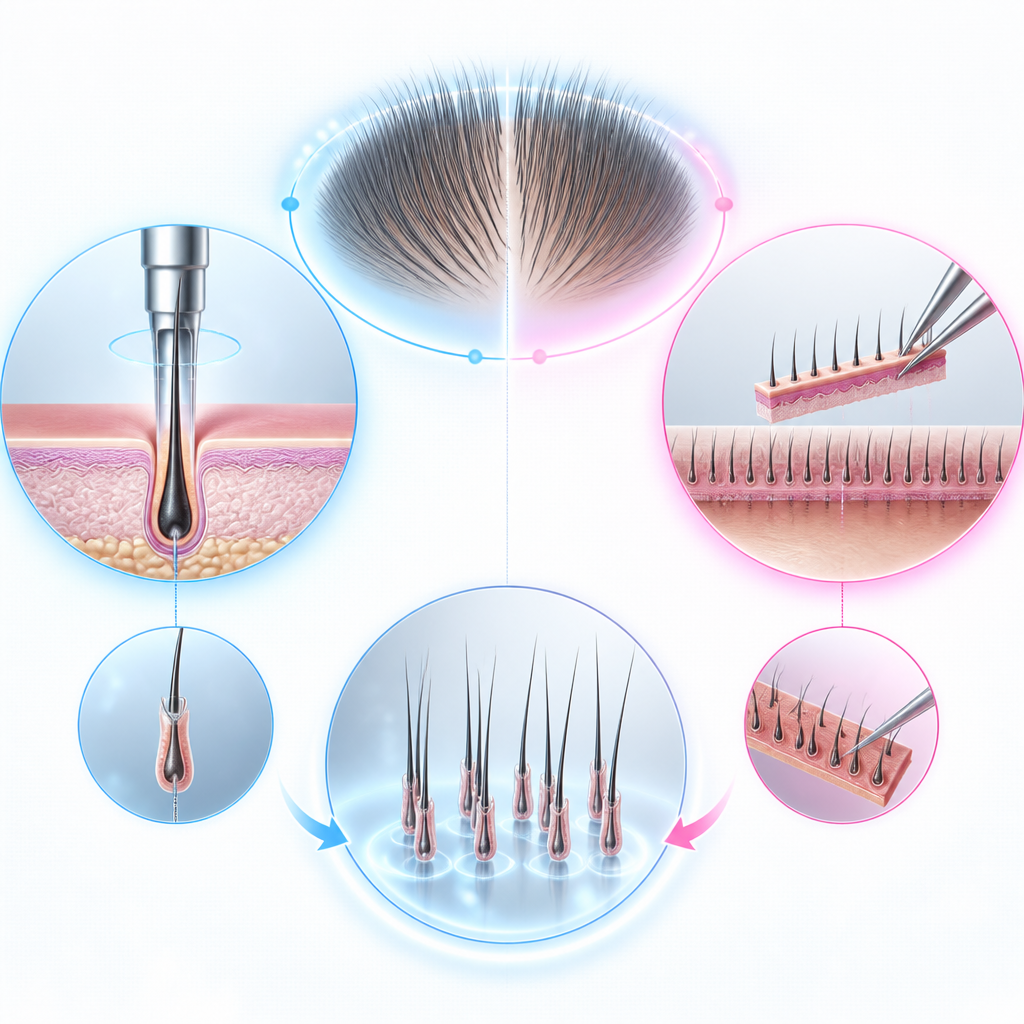
Comparing surgical methods is essential for choosing the optimal path. The two main techniques used today are Follicular Unit Extraction (FUE) and Follicular Unit Transplantation (FUT). Each method has distinct characteristics that affect the outcome, comfort, and healing process.
| Method | Advantage | Limitation |
|---|---|---|
| Follicular Unit Extraction (FUE) | No linear scarring; rapid recovery and minimal post-operative discomfort. | Higher procedural cost; requires shaving of the donor area in standard protocols. |
| Follicular Unit Transplantation (FUT) | Maximum graft yield in a single session; highly cost-effective for large areas. | Leaves a fine linear scar in the donor area; slightly longer scalp recovery phase. |
According to official guidelines of the International Society of Hair Restoration Surgery (ISHRS, 2022), both quantitative criteria such as donor density and individual clinical judgment regarding hair caliber must be reviewed together before choosing the extraction method.
What Criteria Determine Your Candidacy for a Successful Hair Transplant?
A successful surgical outcome relies heavily on patient selection and preparation. Experienced surgeons in Apgujeong-dong evaluate several physiologic parameters before scheduling a procedure to ensure the donor area is not over-harvested.
- Stabilized Hair Loss: Active shedding must be controlled using DHT-inhibitors for at least 6 months prior to surgery.
- Adequate Donor Density: The donor area must have sufficient terminal hair density to cover the recipient site without noticeable thinning.
- Hair Caliber and Quality: Thicker hair shafts provide superior visual volume and coverage compared to fine hair.
- Realistic Expectations: Understanding that transplantation redistributes existing hair rather than creating new follicles.
- Good General Scalp Health: Absence of active inflammatory conditions like scalp psoriasis or seborrheic dermatitis.
Step 1: If the patient presents with early-stage Ludwig I or Norwood II thinning -> Then prioritize non-surgical medical therapies to stabilize hair density.
Step 2: If hair loss progresses to Norwood III or above despite medical therapy -> Then evaluate donor site elasticity and hair follicle caliber.
Step 3: If donor parameters are favorable -> Then formulate a customized surgical plan (FUE or FUT) targeting aesthetic hairline restoration.
However, outcomes may differ in exceptional cases such as cicatricial alopecia or severe autoimmune-related hair loss where graft survival rates can drop significantly due to active tissue inflammation.
Frequently Asked Questions FAQ
QIs the donor hair permanent after transplantation?
Yes, transplanted hair follicles retain their original genetic characteristics, a phenomenon known as donor dominance. This means follicles harvested from the back of the scalp remain highly resistant to DHT, ensuring long-term survival in their new location.
QHow long does it take to see the final aesthetic results?
Patients can expect the transplanted hairs to shed within the first 2 to 4 weeks post-surgery. New growth typically begins around month 3, with cosmetically significant thickness and density appearing between 9 to 12 months after the procedure at 제이케이성형외과의원 in Apgujeong-dong.
This content is general medical information, and individual treatment decisions should be made through imaging tests and in-person medical evaluation.
Author: Medical content editor based on medical information research
Reviewed by: Specialist consultation from the relevant department
Last reviewed: 2026-06-24
Reference guideline: 2022 International Society of Hair Restoration Surgery (ISHRS) Guidelines
Medical neutrality and closing note
The core of medical decision-making is not to follow a specific device or a trending procedure, but to choose an option that fits each patient’s individual anatomy, condition, risk level, and treatment goals. Every procedure has both advantages and limitations, so decisions should be made after sufficient discussion with an experienced specialist.
[Medical information and copyright notice]
This content is a professional medical column prepared based on medical consultation from 제이케이성형외과의원.
The infographics used in this article are created to support understanding and may differ from actual clinical results.
The information provided is a general medical guideline, and accurate diagnosis and treatment require an in-person evaluation by a qualified specialist.