Why Does Implant Surface Tech Matter in Sinsa-dong Plastic Surgery? Understanding Motiva Breast Augmentation and Capsular Contracture Prevention
How Does the Body React to Breast Implants and What Causes Contracture?
Breast reconstruction and cosmetic enlargement procedures require a deep understanding of how human tissue interacts with biomaterials. Anatomically, when any foreign object is placed inside the body, the immune system initiates a natural defense mechanism known as the foreign-body response. This biological pathway leads to the formation of a collagenous envelope, or ‘capsule’, around the implant to isolate it from surrounding tissues. However, if this response becomes pathologically hyperactive, the fibrous capsule begins to thicken and constrict—a progressive and fibrotic condition known as capsular contracture. This complication is graded from Baker Grade I (normal soft breast) to Baker Grade IV (severe distortion, coldness, and persistent physical pain).
Patients planning a procedure in Sinsa-dong plastic surgery clinics often prioritize long-term safety and tissue compatibility. The development of capsular contracture is highly correlated with the surface morphology of the implant, subclinical bacterial biofilm formation, and individual immune sensitivity. Therefore, minimizing mechanical friction at the tissue-prosthesis interface through advanced surface engineering has become a cornerstone of modern aesthetic breast surgery.
Treatment timing: Breast augmentation should ideally be scheduled when the patient has stable soft tissue thickness (at least 2cm measured via pinch test) and is completely free from any localized or systemic inflammatory conditions.
Non-surgical care: In the early, mild stages of tissue tightening (Baker Grade I or II), conservative management including selective leukotriene receptor antagonists, localized ultrasound therapy, and specialized physical rehabilitation can successfully stabilize the capsule without reoperation.
Treatment selection: The choice of implant surface and shape must be guided by individual thoracic anatomy, the elasticity of the parenchymal tissue, the planned pocket dissection plane (such as dual-plane or subglandular), and long-term recovery expectations.
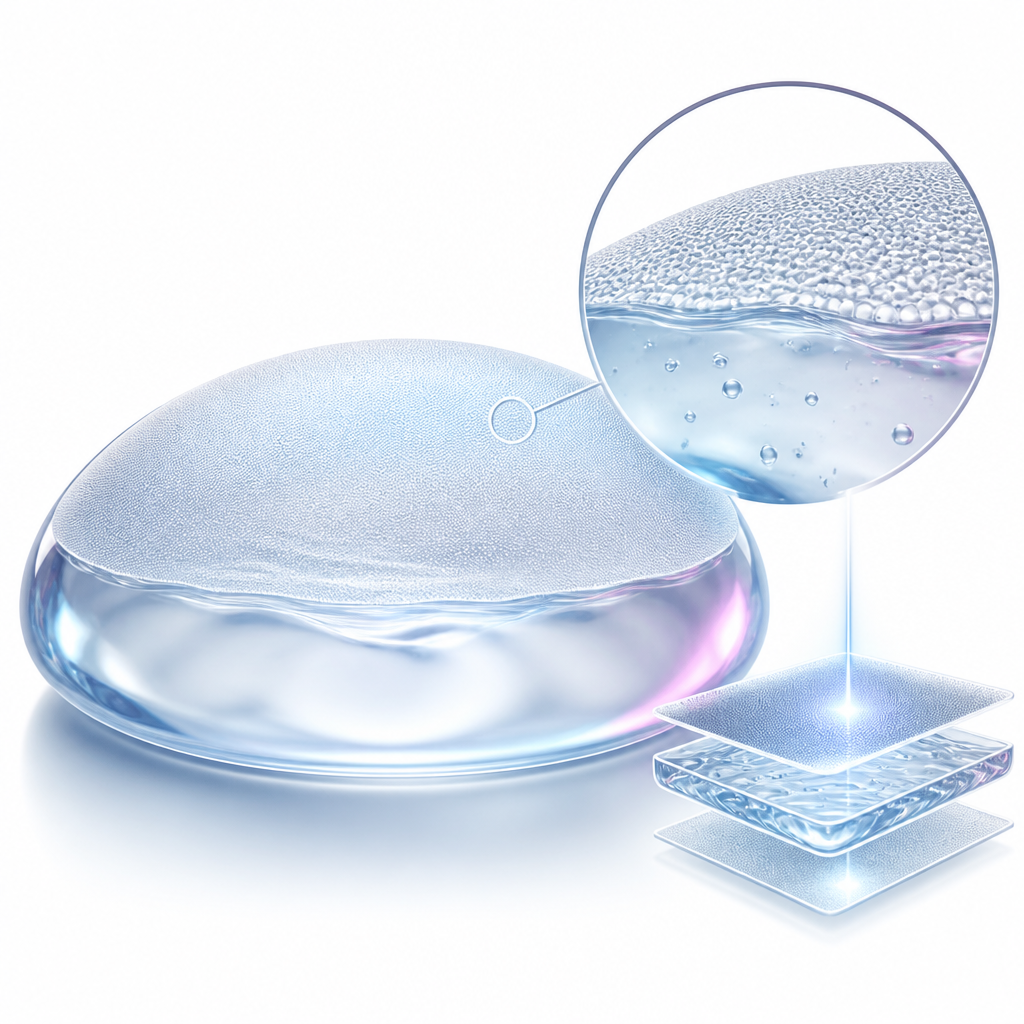
How Does Motiva’s Surface Micro-Architecture Minimize Immune Reactivity?
According to multiple observational studies and meta-analyses, such as a multi-center study published in the Aesthetic Surgery Journal (2021), microtextured surfaces exhibit a significantly lower rate of capsular contracture (often reported below 1% over a 5-year tracking period) compared to older macrotextured or traditional smooth configurations. The SmoothSilk surface features a uniform, controlled nanotechnology topography that matches human cellular dimensions. This structural compatibility allows fibroblasts to align smoothly along the surface rather than initiating a chaotic, dense collagen deposition.
| Implant Feature | Traditional Smooth Implants | Macrotextured Implants | Motiva Microtextured Implants |
|---|---|---|---|
| Surface Texture | Completely smooth, non-textured | Aggressive, deep macrotextures | Uniform, ultra-fine microtexture |
| Capsular Contracture Rate | Moderately high due to lack of tissue adherence | Lower than smooth, but carries risk of late seroma | Exceptionally low (<1% based on clinical registries) |
| Primary Advantage | Soft feel in loose tissue pocket | Reduced initial shifting | Outstanding biocompatibility and highly natural movement |
| Clinical Limitation | Requires rigorous postoperative massage | Associated with rare cases of BIA-ALCL | Requires precise, high-skill dual-plane dissection |
According to official guidelines and academic evidence from the International Society of Aesthetic Plastic Surgery, surgical safety is optimized when the structural integrity of the implant shell, the precise biological design of the surface, and tailored surgical dissection protocols are carefully synchronized.
However, outcomes may differ in exceptional cases such as patients who have a genetic predisposition to severe keloid scarring, those undergoing active post-mastectomy adjuvant radiation therapy, or cases involving localized subclinical biofilm contamination during the perioperative phase.
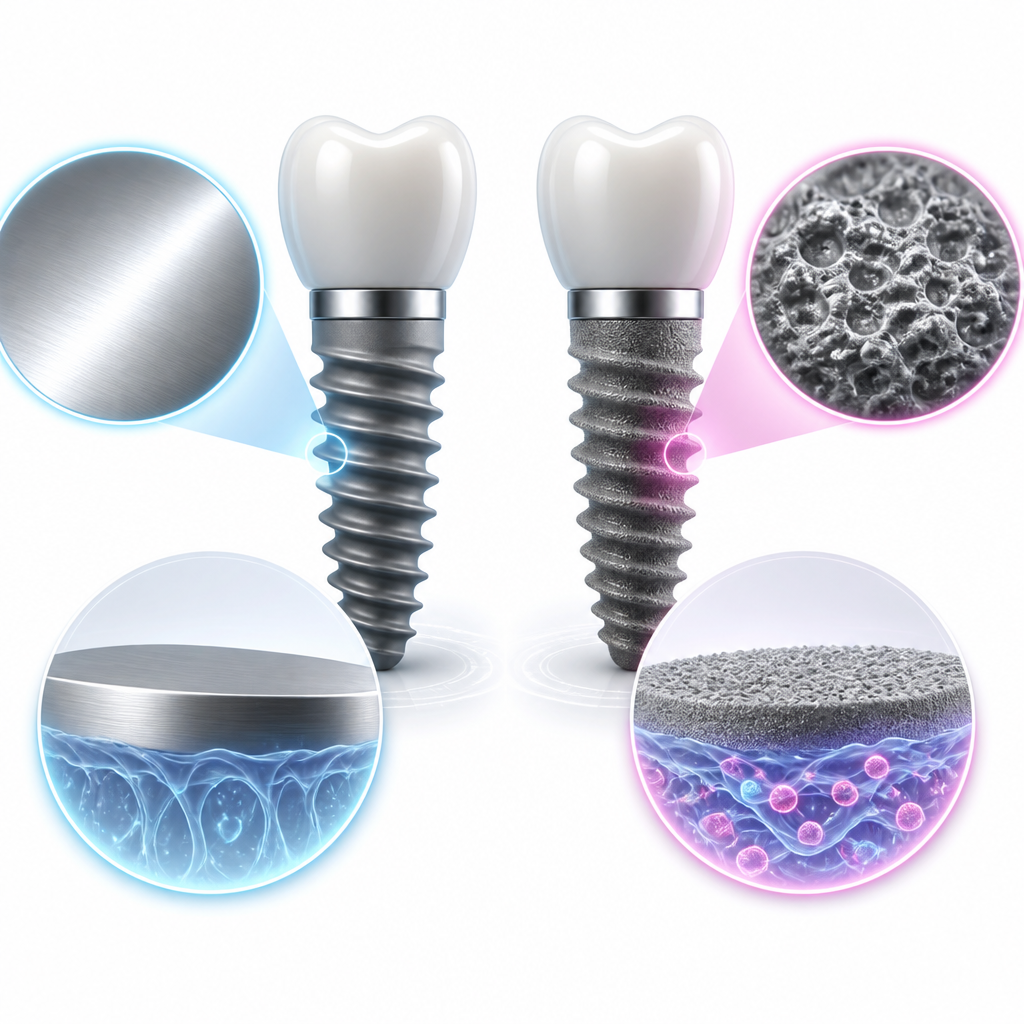
What Clinical Criteria Determine the Optimal Dissection and Placement?
Achieving a natural aesthetic outcome requires a delicate balance between the patient’s existing parenchymal volume and the selected implant profile. If the superior pole of the breast lacks adequate tissue coverage, placing the implant entirely subglandularly may result in visible rippling. Conversely, submuscular or dual-plane placement leverages the pectoralis major muscle to provide a natural transition, cushion the upper border, and further insulate the implant from potential mechanical stress. During consultations in Sinsa-dong, plastic surgeons utilize precise pre-operative diagnostic imaging to measure the soft-tissue pinch test and assess structural symmetry.
- Assessment of existing soft-tissue thickness (minimum of 2cm on the upper pole).
- Evaluation of chest wall symmetry, rib cage curvature, and sternal anatomy.
- Choice of incision path (inframammary fold, transaxillary, or periareolar) based on scar visibility preferences.
- Determination of pocket size to match the exact diameter and projection of the selected implant.
- Assessment of individual risk factors for keloids, hypertrophic scars, or capsular tightening.
To guide clinical decision-making, we recommend following this 3-stage clinical pathway:
- Phase 1 (Anatomical Check): If the patient’s soft-tissue pinch test is less than 2.0 cm, then dual-plane or submuscular pocket dissection is selected to guarantee adequate tissue coverage.
- Phase 2 (Surface Selection): If a microtextured implant like Motiva is chosen, then manual postoperative massage is omitted to allow proper cellular integration at the tissue interface.
- Phase 3 (Postoperative Monitoring): If signs of early capsule tightening (Baker Grade II) are observed, then conservative therapies (such as montelukast or focused ultrasound) are immediately initiated to halt fibrotic progression.
Frequently Asked Questions FAQ
QDoes Motiva breast augmentation require postoperative massage?
No. Unlike older smooth or macrotextured implants, Motiva’s microtextured SilkSurface is engineered to integrate naturally with the body’s surrounding tissue. Performing vigorous postoperative massages can actually disrupt the delicate cellular attachment process, potentially increasing local inflammation and the risk of complications. Therefore, postoperative massage is not recommended.
QIs the BluSeal indicator safe and what is its clinical purpose?
The BluSeal layer is a unique safety feature integrated into the Motiva implant shell. It is a highly biocompatible barrier layer that minimizes the diffusion of low-molecular-weight silicone gel (gel bleed) into the surrounding tissue. Its light blue tint allows the surgical team to verify with 100% visual accuracy that the barrier is completely intact and free of defects prior to insertion.
QHow long does the swelling last and when can I resume exercise?
Most acute postoperative swelling and mild asymmetry resolve within 4 to 6 weeks, with the breasts gradually settling into their final, natural position over 3 to 6 months. Patients can usually resume light walking within 3 to 5 days, but strenuous upper-body exercises, heavy lifting, or high-impact activities should be strictly avoided for at least 6 weeks to ensure proper healing of the surgical pocket.
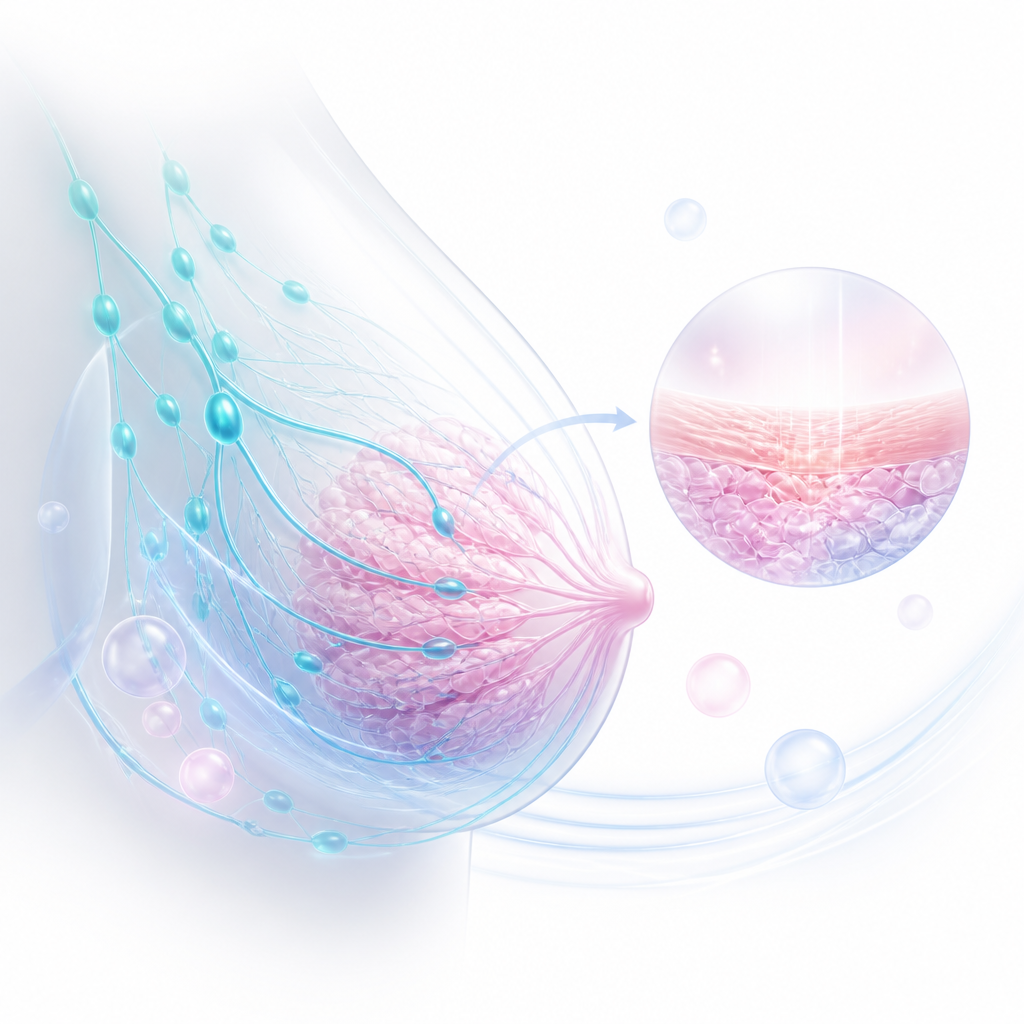
This content is general medical information, and individual treatment decisions should be made through imaging tests and in-person medical evaluation.
Author: Medical content editor based on medical information research
Reviewed by: Specialist consultation from the relevant department
Last reviewed: 2026-07-24
Reference guideline: 2022 International Society of Aesthetic Plastic Surgery (ISAPS) Clinical Safety Guidelines
Medical neutrality and closing note
The core of medical decision-making is not to follow a specific device or a trending procedure, but to choose an option that fits each patient’s individual anatomy, condition, risk level, and treatment goals. Every procedure has both advantages and limitations, so decisions should be made after sufficient discussion with an experienced specialist.
[Medical information and copyright notice]
This content is a professional medical column prepared based on medical consultation from 제이케이성형외과의원.
The infographics used in this article are created to support understanding and may differ from actual clinical results.
The information provided is a general medical guideline, and accurate diagnosis and treatment require an in-person evaluation by a qualified specialist.