How Can You Maximize Graft Survival in Apgujeong-dong Plastic Surgery Hair Transplants?
Why Does the Progressive Nature of Androgenetic Alopecia Require Early and Precise Intervention?
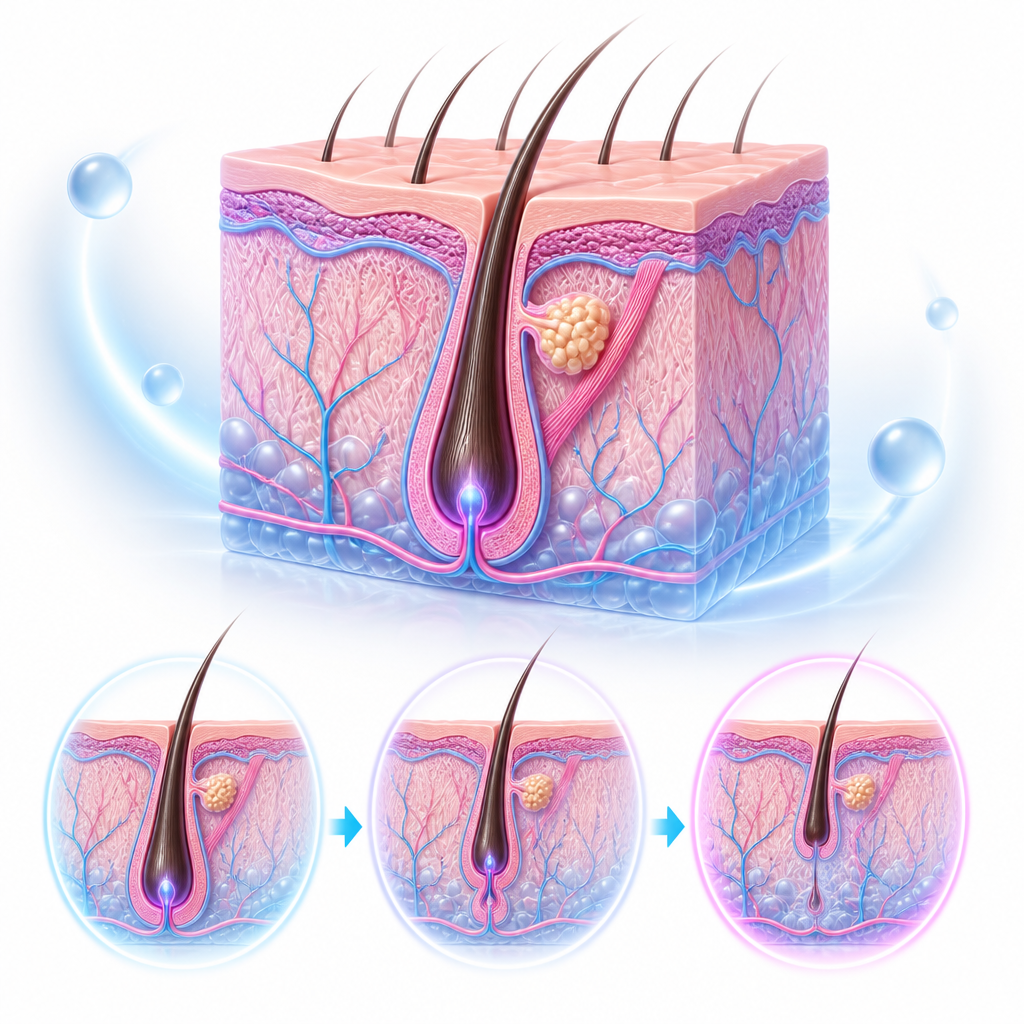
Androgenetic alopecia is a genetically predetermined, progressive hair loss disorder characterized by the androgen-mediated conversion of terminal hair follicles into thin, miniaturized vellus hairs in a patterned distribution across the frontotemporal and vertex scalp. Because this condition is inherently progressive, initiating treatment at the correct clinical stage is paramount to preserving the donor reserve. For patients exploring restorative options in Apgujeong-dong, understanding that a hair transplant does not arrest the underlying pathophysiological process of hair loss is the first step toward a successful outcome.
Prior to pursuing surgical restoration, conservative and non-surgical interventions are strongly indicated. Pharmacological management utilizing 5-alpha reductase inhibitors (such as oral finasteride or dutasteride) and topical minoxidil should be maintained for a minimum of 6 to 12 months to stabilize active hair thinning. Conservative therapies are highly reasonable for individuals presenting with early-stage hair thinning (Hamilton-Norwood Scale II or III) where follicular miniaturization has not yet progressed to complete cicatricial or fibrotic loss of the hair follicle. Once follicular atrophy is complete, surgical restoration becomes the primary viable solution to restore density.
Treatment timing: Surgical restoration is indicated when hair loss has stabilized under pharmacological therapy, typically Norwood Scale III or higher, where donor density is sufficient.
Non-surgical care: Conservative medical therapy must be maintained for at least 6 to 12 months to assess efficacy and stabilize the progressive miniaturization of follicles before planning surgery.
Treatment selection: The choice between FUE and FUT is guided by donor scalp laxity, follicular unit density, the required graft volume, and the patient’s lifestyle or tolerance for linear scarring.
FUE vs. FUT: Which Method Best Preserves the Viability of Transplanted Follicular Units?
According to multiple observational studies and meta-analyses, including clinical data published in the Dermatologic Surgery Journal (2021), both Follicular Unit Extraction (FUE) and Follicular Unit Transplantation (FUT) yield high success rates, with average graft survival rates consistently exceeding 90% when executed under optimal micro-surgical conditions. However, each methodology possesses distinct anatomical indications, benefits, and biological limitations that must be carefully analyzed during the diagnostic phase.
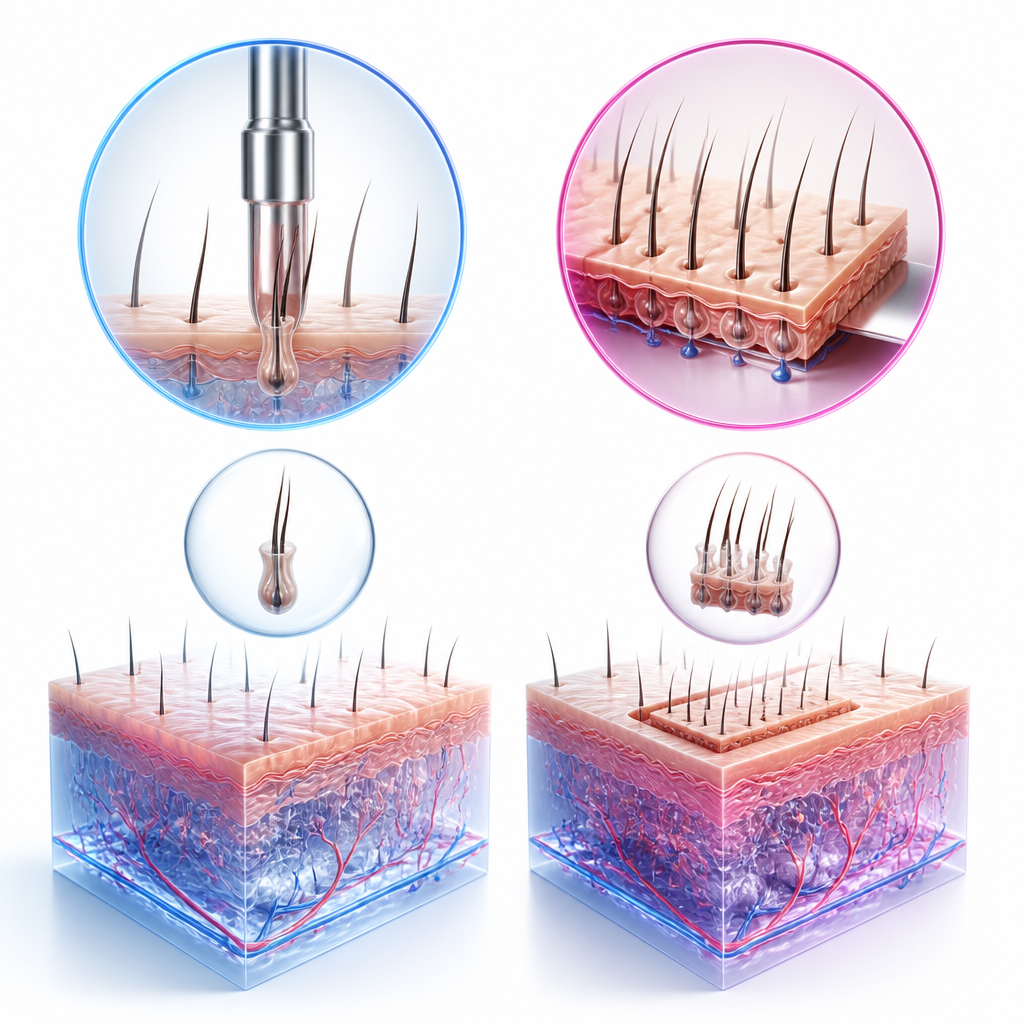
FUE involves the individual extraction of follicular units using specialized micro-punches ranging from 0.8mm to 1.0mm in diameter. The primary advantage of FUE is the avoidance of a linear donor scar, making it highly suitable for patients who prefer short hairstyles and desire a rapid healing phase. The main limitation, however, is the elevated risk of microscopic follicle transection during blind punch insertion, alongside a longer overall extraction time which increases the out-of-body ischemia window for the grafts. Conversely, FUT involves the excision of a horizontal strip of donor tissue from the occipital scalp, followed by meticulous microscopic dissection of individual units. FUT offers the advantage of lower transection rates and superior graft tissue preservation, making it excellent for large-volume cases. The primary limitation of FUT is the permanent linear scar at the donor site and potential temporary tension or tightness along the donor suture line.
| Parameter | Follicular Unit Extraction (FUE) | Follicular Unit Transplantation (FUT) |
|---|---|---|
| Harvesting Technique | Individual extraction using micro-punches (0.8mm-1.0mm) | Excision of a horizontal donor strip from the occipital scalp |
| Donor Site Scarring | Punctate, tiny circular scars (virtually invisible) | Linear scar at the occipital region |
| Graft Survival Rate | 90% 93% (highly dependent on transection rate) | 92% 95% (lower transection via microscope) |
| Recovery Timeline | Rapid healing (donor site heals in 3-5 days) | Sutures removed in 10-14 days; mild tightness for weeks |
According to official guidelines from the International Society of Hair Restoration Surgery (ISHRS, 2022), the key to maximizing hair transplant outcomes is minimizing out-of-body time and mechanical trauma to the delicate follicular units, regardless of the extraction modality chosen.
What Clinical Checkpoints Secure the Highest Graft Survival in Apgujeong-dong?
To achieve successful graft survival during a plastic surgery hair transplant in Apgujeong-dong, a highly controlled clinical workflow is mandatory. The survival of an extracted hair follicle is highly sensitive to dehydration, temperature fluctuations, mechanical trauma, and prolonged ischemia. Specialized holding solutions enriched with physiological buffers and adenosine triphosphate (ATP) are utilized to preserve cell viability while follicles are outside the body. Furthermore, the recipient site must be prepared with precise depth, angle, and direction control to ensure the newly placed follicles integrate seamlessly with the existing hair growth patterns without damaging surrounding native hair roots.
However, outcomes may differ in exceptional cases such as patients with active cicatricial alopecia, severe uncontrolled diabetes, or underlying keloidal scarring tendencies which impair microvascular perfusion and wound healing. A comprehensive pre-operative screening is vital to rule out these clinical contraindications.
When planning your hair restoration timeline, the following essential clinical checkpoints should be thoroughly evaluated:
- Occipital donor density evaluation (minimum 60-80 follicular units per cm²).
- Scalp laxity assessment (essential for FUT strip excision safely).
- Strict control of out-of-body graft time (ideally kept under 4 hours).
- Microscopic inspection of extracted grafts to verify structural integrity.
- Adherence to post-operative recipient site protection guidelines.
To assist in making an informed decision, refer to this clinically recommended decision pathway:
- If donor scalp laxity is high and a large graft volume (greater than 3,000 hairs) is required, then FUT is generally the primary recommendation to obtain high-quality grafts with minimal transection.
- If the patient prefers to keep their hair short and seeks minimal physical downtime, then FUE is the preferred harvesting choice.
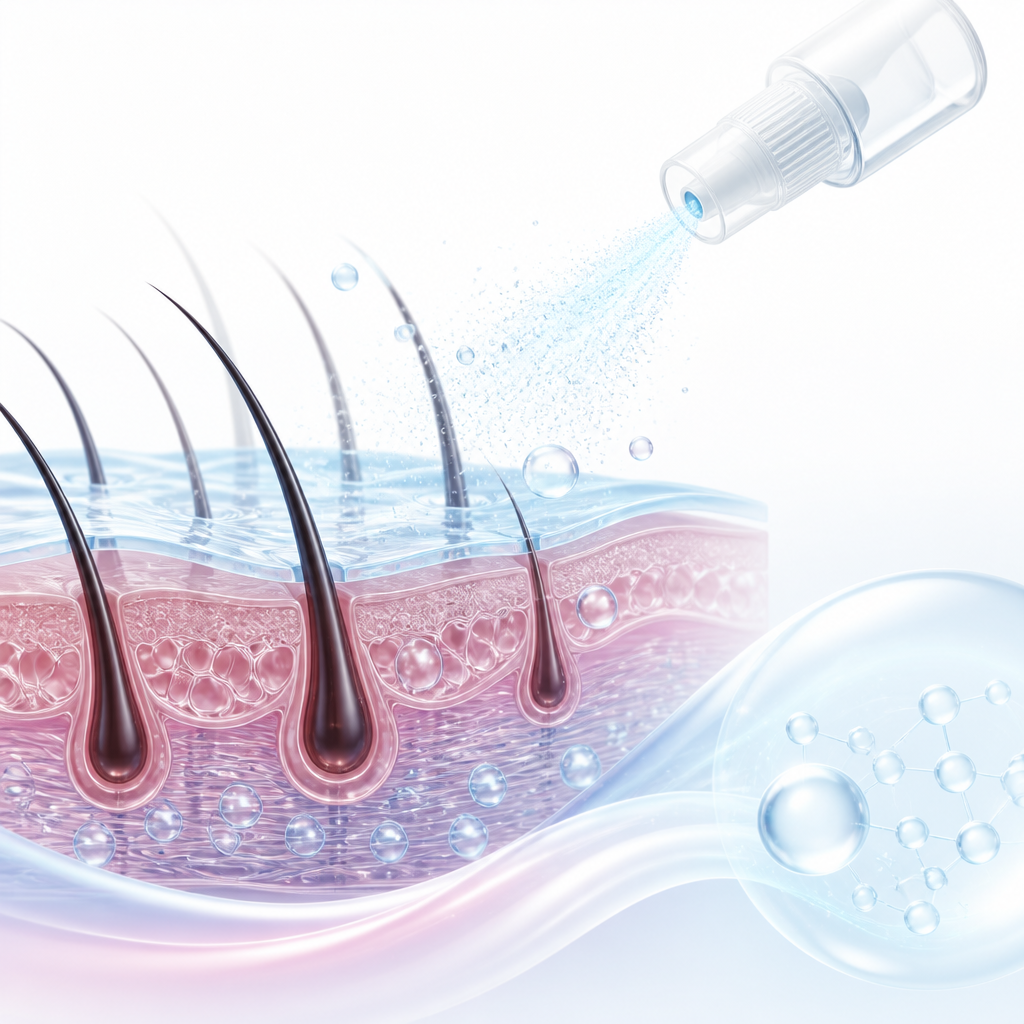
- If post-operative evaluation shows localized crusting or mild dryness in the recipient area, then structured saline spraying and gentle antimicrobial cleansing should be maintained according to clinical guidance.
Frequently Asked Questions FAQ
QHow long does the recovery process take after a hair transplant?
Visible healing of the donor and recipient areas typically takes 7 to 10 days. The transplanted hairs will enter a shedding phase (telogen effluvium) within 2 to 4 weeks, and new, permanent hair growth begins around 3 to 4 months, with final aesthetic results visible at 12 months.
QCan a hair transplant be performed if I have active diffuse hair loss?
Prior to undergoing a hair transplant in Apgujeong-dong, active diffuse hair loss must be stabilized using medical therapies such as DHT blockers. Operating during an active, unstabilized hair loss phase can lead to shock loss of existing native hairs and suboptimal aesthetic density.
QAre there non-surgical alternatives to maintain hair density?
Yes, conservative alternatives include FDA-approved medications like oral finasteride or dutasteride, topical minoxidil, platelet-rich plasma (PRP) therapies, and low-level laser therapy (LLLT). These options are highly effective for slowing down progressive hair thinning but cannot regenerate completely dead follicles.
This content is general medical information, and individual treatment decisions should be made through imaging tests and in-person medical evaluation.
Author: Medical content editor based on medical information research
Reviewed by: Specialist consultation from the relevant department
Last reviewed: 2026-07-29
Reference guideline: 2022 International Society of Hair Restoration Surgery (ISHRS) Clinical Practice Guidelines
Medical neutrality and closing note
The core of medical decision-making is not to follow a specific device or a trending procedure, but to choose an option that fits each patient’s individual anatomy, condition, risk level, and treatment goals. Every procedure has both advantages and limitations, so decisions should be made after sufficient discussion with an experienced specialist.
[Medical information and copyright notice]
This content is a professional medical column prepared based on medical consultation from 제이케이성형외과의원.
The infographics used in this article are created to support understanding and may differ from actual clinical results.
The information provided is a general medical guideline, and accurate diagnosis and treatment require an in-person evaluation by a qualified specialist.