Is MiraDry the Right Choice for Your Underarm Sweat? A Medical Guide to Hyperhidrosis Treatment Selection
How Do Underarm Sweat Glands Function, and What Causes Axillary Hyperhidrosis?
Axillary hyperhidrosis is a chronic physiological condition characterized by the excessive production of sweat beyond what is necessary for normal thermoregulation. The human axilla contains a high concentration of both eccrine glands, which produce watery, odorless sweat, and apocrine glands, which secrete a thicker fluid that contributes to axillary odor (bromhidrosis) when broken down by skin bacteria. The overactivity of these glands is typically mediated by the sympathetic nervous system. Because hyperhidrosis is often a progressive condition in terms of its psychosocial burden, understanding the underlying pathophysiology is essential for selecting an appropriate clinical intervention.
Treatment timing: Clinical intervention is indicated when daily applications of clinical-strength topical antiperspirants fail to control sweating, or when the condition severely impairs occupational and social interactions.
Non-surgical care: Initial conservative management, including topical aluminum chloride hexahydrate or iontophoresis, is reasonable for mild cases but requires continuous lifetime compliance.
Treatment selection: The choice between temporary treatments, non-invasive thermal destruction, and surgical resection should be guided by the patient\’s anatomy, lifestyle, tolerance for downtime, and safety profile.
What Are the Clinical Differences Between MiraDry, Botox, and Surgical Excision?
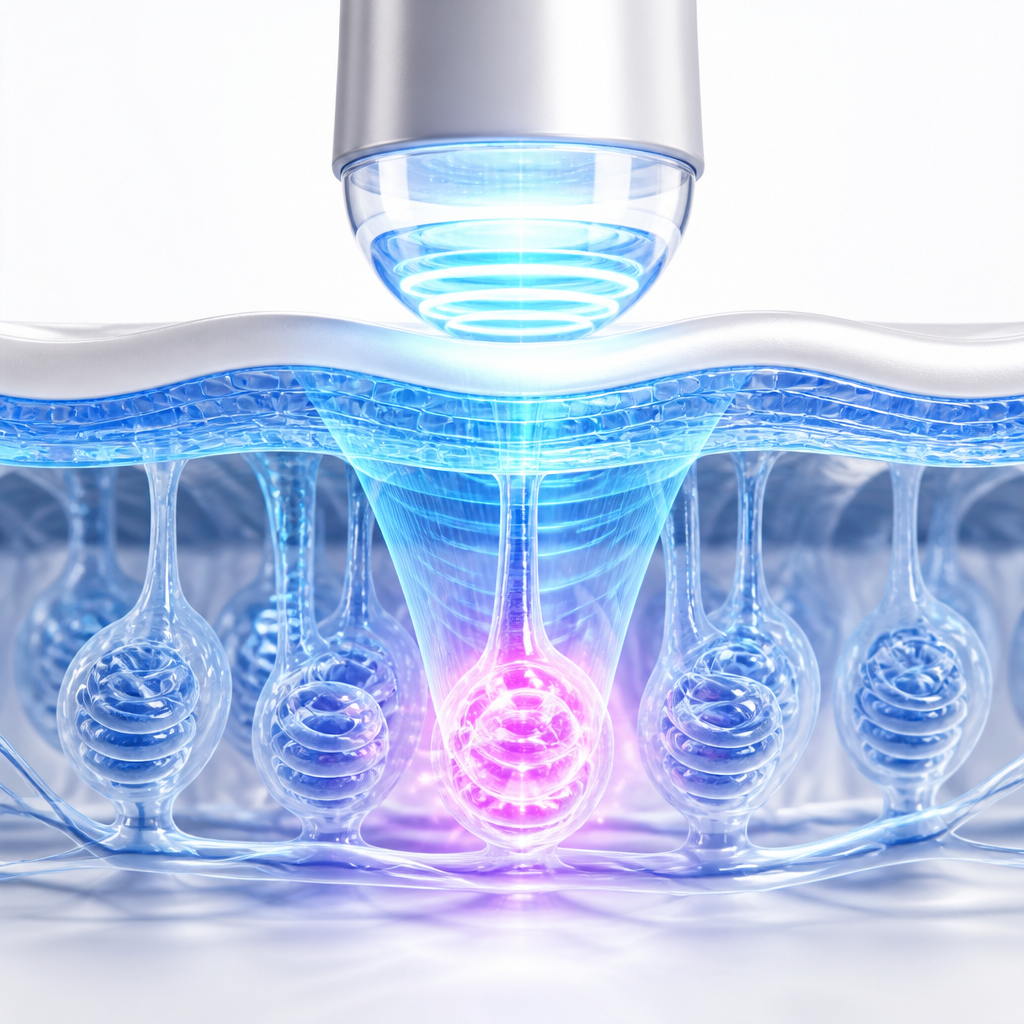
According to multiple observational studies and meta-analyses, including clinical trials published in the journal Dermatologic Surgery (2012), non-invasive microwave ablation of sweat glands provides a sustained efficacy rate. Evaluating the therapeutic profile of each option requires comparing their mechanisms, durability, and recovery benchmarks. While surgical sympathectomy carries a risk of compensatory sweating in other body regions, localized therapies like MiraDry specifically target only the axillary vault.
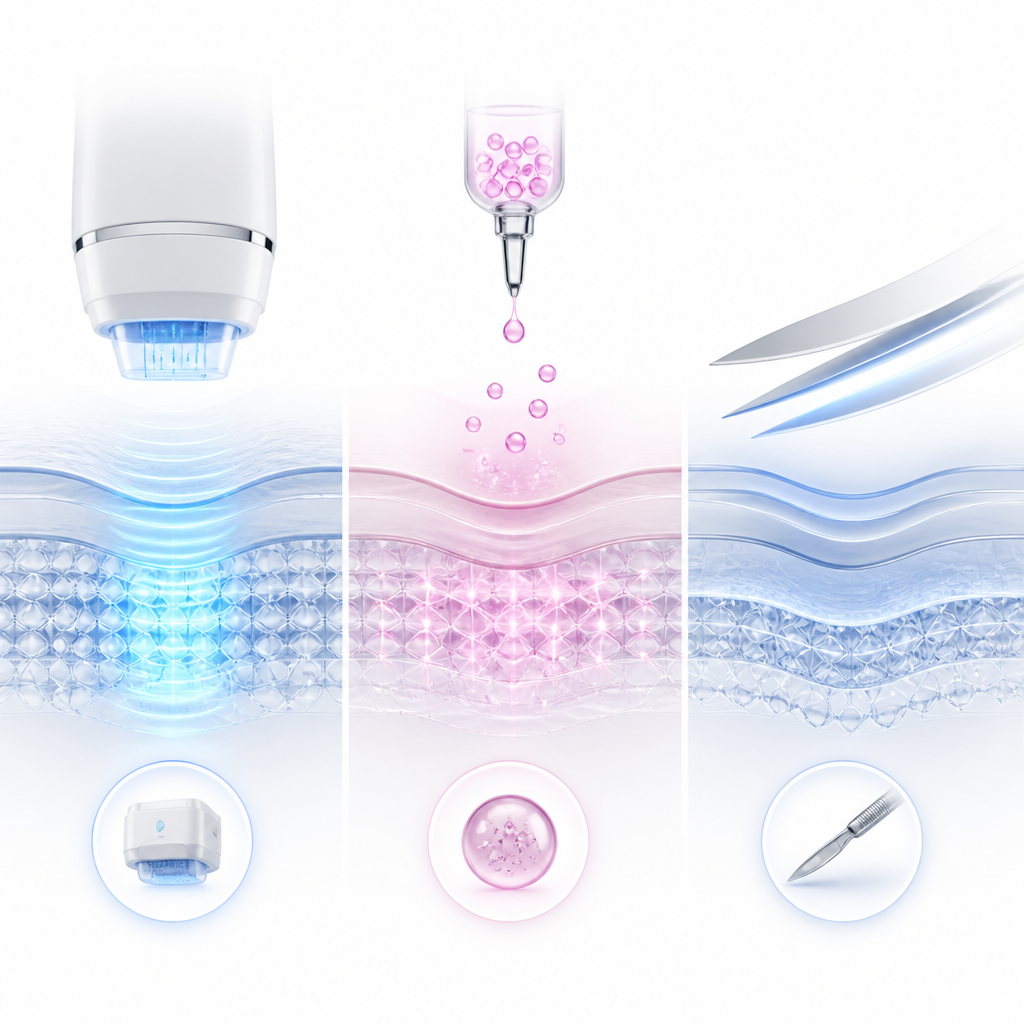
| Treatment Option | Mechanism of Action | Primary Benefit | Clinical Limitation |
|---|---|---|---|
| MiraDry | Thermal microwave energy destroys eccrine and apocrine glands. | Long-term sweat and odor reduction in 1-2 sessions. | Temporary post-procedure swelling and localized numbness. |
| Botulinum Toxin | Blocks acetylcholine release at neuromuscular junctions. | Minimally invasive with rapid onset of sweat reduction. | Requires repeated injections every 4 to 6 months to maintain efficacy. |
| Surgical Excision | Physical removal or scraping of the subcutaneous tissue. | Direct removal of glandular structures. | Risk of scarring, infection, and longer surgical recovery window. |
According to official guidelines from the International Hyperhidrosis Society, treatment protocols should prioritize non-invasive methods that offer permanent gland destruction, balancing the quantitative reduction of sweat against individual clinical safety parameters.
How Do You Decide the Best Treatment Path for Severe Underarm Sweat?
Choosing the right clinical intervention involves analyzing a variety of diagnostic and personal factors. Patients must weigh their preference for a permanent solution against their willingness to undergo mild, localized recovery symptoms. Consider the following assessment criteria to determine your clinical readiness:
- Have topical treatments like aluminum chloride caused severe contact dermatitis or skin irritation?
- Is your main clinical goal a long-term reduction in sweat rather than temporary, recurring therapy?
- Are you experiencing concurrent axillary odor (bromhidrosis) along with wetness?
- Do you wish to avoid the risk of compensatory sweating associated with systemic or thoracic surgical options?
- Are you prepared for mild, temporary post-procedure swelling and localized tissue tightness as a natural healing response?
Clinical Decision Flowchart (If-Then Protocol):
Step 1 (If): If conservative topical therapies fail to provide relief and significantly impair your quality of life, Then proceed with a clinical sweat severity assessment.
Step 2 (If): If you seek a long-term solution with minimal risk of compensatory sweating, Then evaluate non-invasive localized thermal ablation as the primary option.
Step 3 (If): If clinical evaluation confirms sufficient subcutaneous tissue thickness and no contraindications are present, Then formulate a customized treatment plan detailing the target energy levels.
However, outcomes may differ in exceptional cases such as patients with active skin infections in the axilla, previous surgical scarring that alters the dermal architecture, or those with implanted electrical devices such as pacemakers.
Frequently Asked Questions FAQ
QIs the sweat reduction achieved with MiraDry permanent?
Yes, the thermal energy permanently targets and destroys the eccrine and apocrine glands in the treated axillary area. Since the human body does not regenerate sweat glands after thermal ablation, the reduction in localized underarm sweating is long-lasting.
QWhat is the typical recovery process after the procedure?
Most patients experience mild localized swelling, redness, and tenderness in the underarms for a few days to two weeks. Cold compresses and mild over-the-counter anti-inflammatories are generally recommended to manage these temporary sensations during the initial recovery phase.
QDoes eliminating underarm sweat glands lead to compensatory sweating elsewhere?
No, because the axillary sweat glands account for only about 2% of the body\’s total sweat glands. Eliminating this small percentage does not affect the body\’s overall thermoregulatory capacity, making compensatory sweating highly unlikely compared to surgical nerve division.
This content is general medical information, and individual treatment decisions should be made through imaging tests and in-person medical evaluation.
Author: Medical content editor based on medical information research
Reviewed by: Specialist consultation from the relevant department
Last reviewed: 2026-07-28
Reference guideline: 2021 International Hyperhidrosis Society Clinical Guidelines
Medical neutrality and closing note
The core of medical decision-making is not to follow a specific device or a trending procedure, but to choose an option that fits each patient’s individual anatomy, condition, risk level, and treatment goals. Every procedure has both advantages and limitations, so decisions should be made after sufficient discussion with an experienced specialist.
[Medical information and copyright notice]
This content is a professional medical column prepared based on medical consultation from 제이케이성형외과의원.
The infographics used in this article are created to support understanding and may differ from actual clinical results.
The information provided is a general medical guideline, and accurate diagnosis and treatment require an in-person evaluation by a qualified specialist.