Is MiraDry Fresh the Right Choice for Underarm Sweat and Odor at a Sinsa Station Plastic Surgery?
Why Do Persistent Underarm Sweat and Odor Require a Targeted Medical Approach?
Axillary hyperhidrosis and osmidrosis are progressive conditions originating from the overactivity of eccrine and apocrine sweat glands located in the dermo-subcutaneous junction, causing excessive sweat and malodor. For individuals experiencing constant dampness and social discomfort under the arms, daily life can become a source of ongoing anxiety. Many patients visiting a plastic surgery clinic near Sinsa Station have already tried various over-the-counter clinical antiperspirants, only to find temporary relief or experience localized skin irritation. Understanding the physiological differences between eccrine glands (which produce watery sweat for cooling) and apocrine glands (which secrete a thicker fluid that bacteria decompose into odor) is key to selecting a definitive intervention.
Treatment timing: Ideal when daily activities are disrupted despite clinical antiperspirants, or when social anxiety from sweat patches and odor becomes persistent.
Non-surgical care: Conservative management like aluminum chloride or botulinum toxin is reasonable for mild, temporary relief, but lacks permanent efficacy.
Treatment selection: Guided by the patient’s anatomical distribution of apocrine glands, tolerance for downtime, and desire for a non-surgical, permanent reduction in sweat and odor.
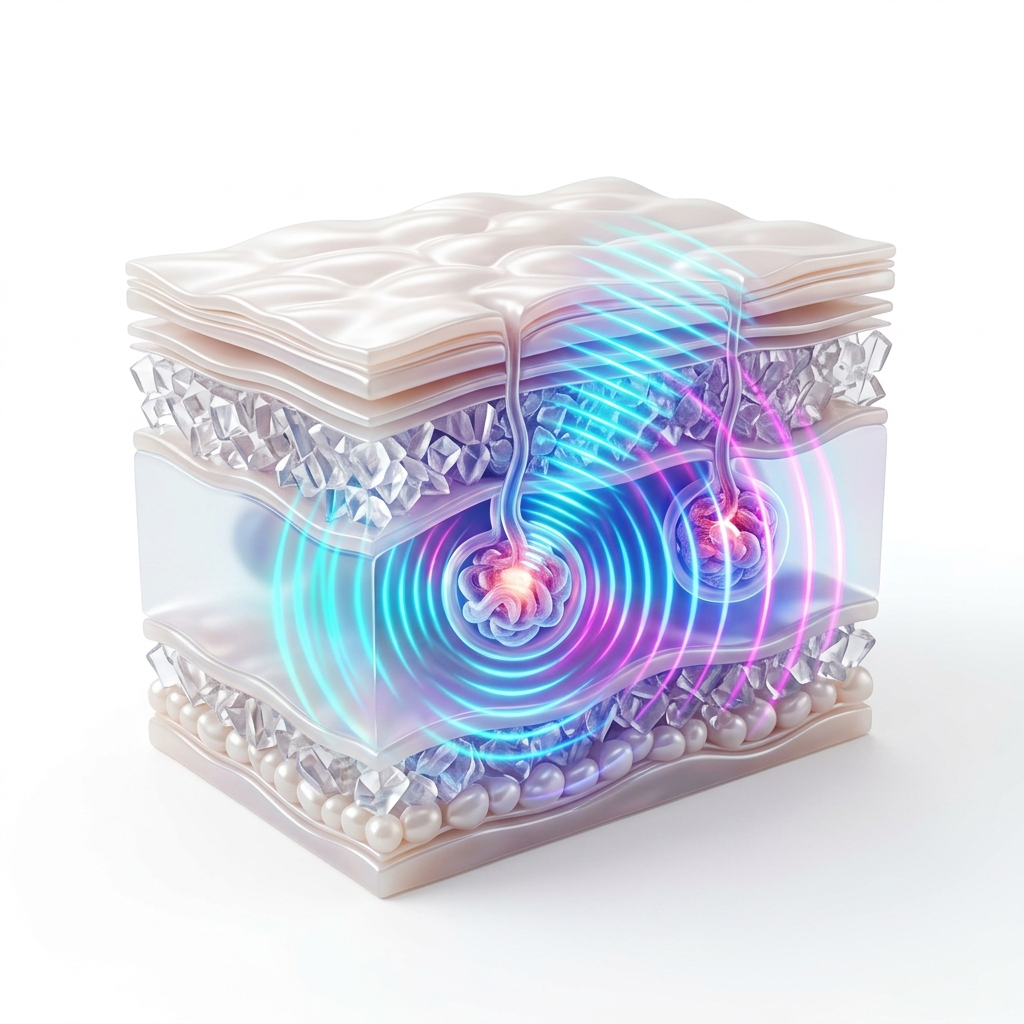
How Does Microwave Thermolysis Permanently Target Eccrine and Apocrine Glands?
According to multiple observational studies and meta-analyses published in international dermatological journals, microwave thermolysis at a frequency of 5.8 GHz selectively targets the water-rich interface where the sweat glands reside. The electromagnetic energy delivered by the MiraDry Fresh system heats the sweat glands to approximately 60 to 70 degrees Celsius, leading to irreversible thermolysis of the secretory tissue. Because sweat glands do not regenerate once destroyed, the clinical reduction in both sweat volume and malodor is permanent. Concurrently, a continuous hydro-ceramic cooling system protects the upper layers of the epidermis, preventing thermal damage to the skin surface.
While conservative management options such as topical aluminum chloride, iontophoresis, or botulinum toxin injections are highly accessible, they only temporarily suppress gland activity and require ongoing maintenance. Conversely, surgical excision or endoscopic thoracic sympathectomy offers long-term results but carries inherent risks of permanent scarring, long recovery phases, or compensatory hyperhidrosis in other areas of the body. MiraDry Fresh bridges this gap by delivering permanent results non-invasively.
| Treatment Method | Mechanism | Primary Advantage | Primary Limitation | Downtime |
|---|---|---|---|---|
| Botulinum Toxin Injection | Temporary neuromodulation of sweat glands | Highly safe and minimally invasive | Requires repeated treatments every 4 to 6 months | None |
| Surgical Excision (Endoscopic) | Physical removal of apocrine tissue | High long-term success rate for odor | Risk of scarring and compensatory sweating | 2 to 3 weeks |
| MiraDry Fresh | Microwave-induced thermolysis of sweat glands | Non-invasive, permanent reduction in sweat and odor | Temporary post-procedural swelling and tenderness | Minimal (1 to 2 days of mild swelling) |
According to official guidelines from the International Hyperhidrosis Society, clinically significant reduction in axillary sweat production (up to 82%) and high patient satisfaction rates are consistently observed when thermal energy targets the dermo-subcutaneous interface.
However, outcomes may differ in exceptional cases such as patients with atypical anatomical sweat gland distribution or severe secondary hyperhidrosis caused by endocrine disorders.
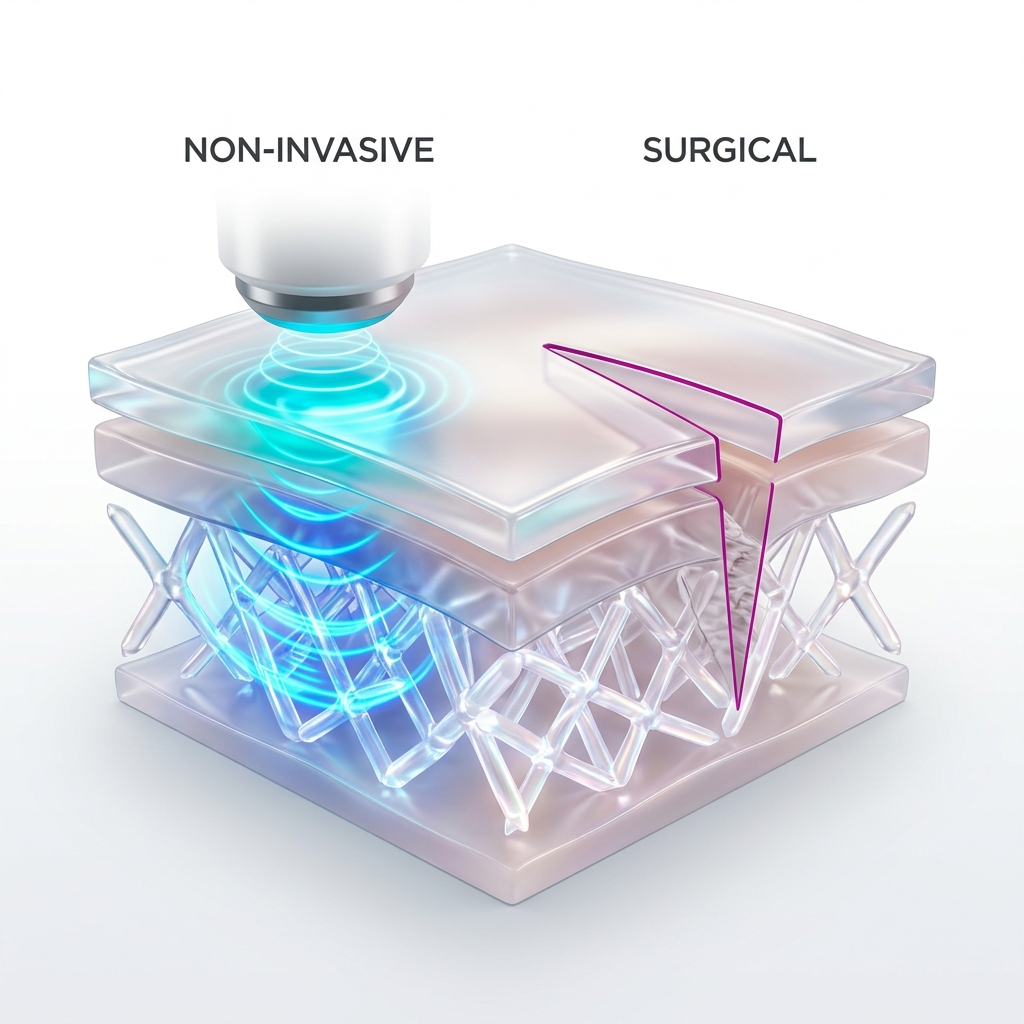
Are You a Candidate for This Non-Invasive Thermal Therapy?
Clinical assessments at a plastic surgery clinic in the Sinsa Station area emphasize customizing the energy delivery template to the patient’s individual anatomical sweat zone. Identifying the correct candidates involves analyzing both the physiological severity of hyperhidrosis and the psychosocial impact on the patient.
- Diagnosed with moderate to severe primary axillary hyperhidrosis that interferes with professional and social life.
- Suffer from noticeable axillary malodor (osmidrosis) caused by hyperactive apocrine glands.
- Unresponsive or hypersensitive to clinical antiperspirants or other topical chemical agents.
- Seeking a non-surgical alternative to avoid incision scars, general anesthesia, or prolonged wound healing.
- Desire a dual benefit of permanent sweat reduction and minor axillary hair follicle destruction.
To help navigate your treatment journey, consider the following clinical decision framework:
Step 1 (If): If topical antiperspirants or temporary botulinum toxin injections fail to provide lasting relief from underarm sweat and odor…
Step 2 (Then): Then undergo a comprehensive non-invasive evaluation of sweat gland distribution and dermal thickness at 제이케이성형외과의원…
Step 3 (Action): Action: Proceed with a customized MiraDry Fresh procedure utilizing targeted energy levels (Levels 1 to 5) tailored to your specific pain tolerance and tissue structure.
Frequently Asked Questions FAQ
QDoes the sweat relocate to other parts of the body after MiraDry Fresh?
No, compensatory sweating is extremely rare with MiraDry Fresh because axillary sweat glands represent only about 2% of the body’s total 2 to 4 million sweat glands. Eliminating this small percentage does not alter the body’s overall thermoregulatory capacity.
QHow many sessions are typically required for optimal results?
For the vast majority of patients, a single session yields highly satisfactory and permanent results. In rare cases of exceptionally dense gland tissue or severe osmidrosis, a secondary touch-up session spaced 3 months apart may be considered.
QWhat should patients expect during the post-treatment recovery phase?
Mild to moderate swelling, redness, and a feeling of tightness under the arms are normal physiological responses to the thermal energy. These symptoms typically peak within 24 to 48 hours and resolve over a week with regular cold-pack application and basic rest.
This content is general medical information, and individual treatment decisions should be made through imaging tests and in-person medical evaluation.
Author: Medical content editor based on medical information research
Reviewed by: Specialist consultation from the relevant department
Last reviewed: 2026-06-29
Reference guideline: 2021 International Hyperhidrosis Society Clinical Consensus Guideline
Medical neutrality and closing note
The core of medical decision-making is not to follow a specific device or a trending procedure, but to choose an option that fits each patient’s individual anatomy, condition, risk level, and treatment goals. Every procedure has both advantages and limitations, so decisions should be made after sufficient discussion with an experienced specialist.
[Medical information and copyright notice]
This content is a professional medical column prepared based on medical consultation from 제이케이성형외과의원.
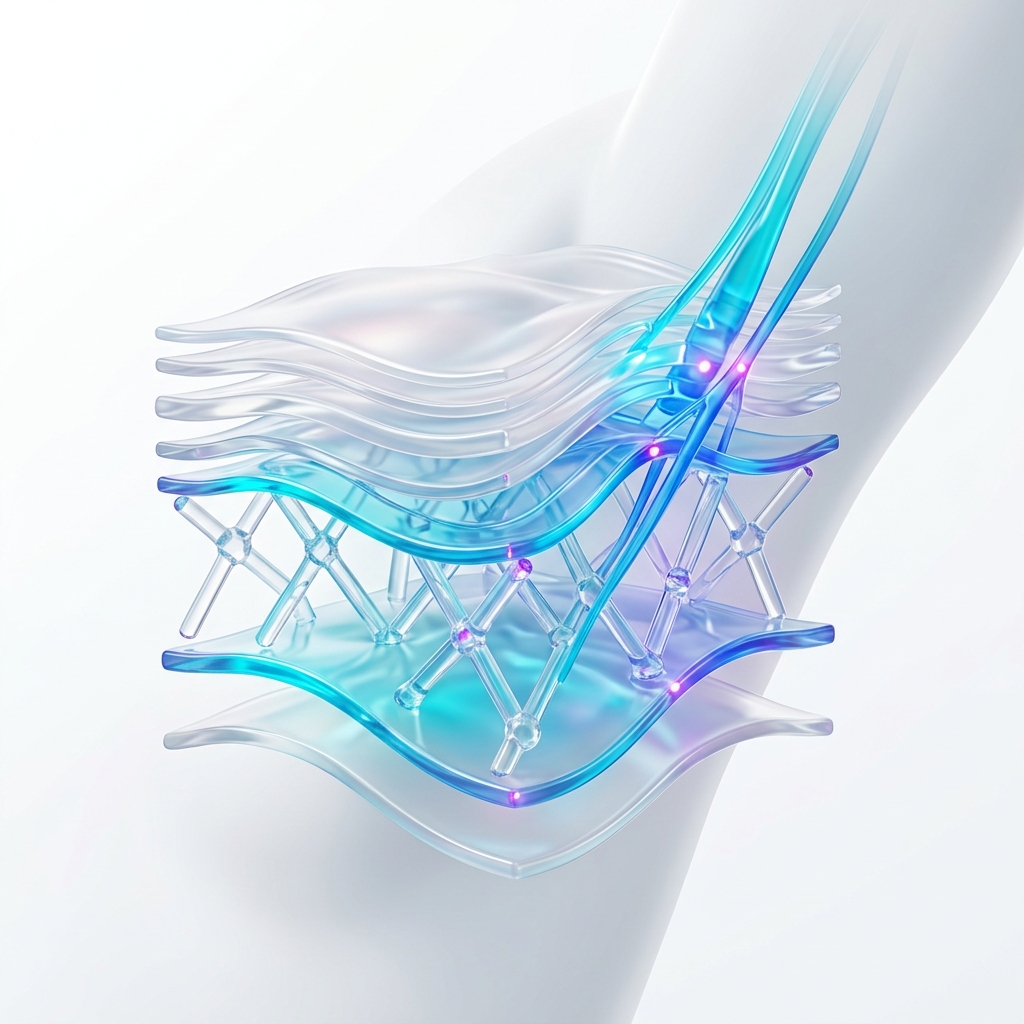
The infographics used in this article are created to support understanding and may differ from actual clinical results.
The information provided is a general medical guideline, and accurate diagnosis and treatment require an in-person evaluation by a qualified specialist.