Is MiraDry the Right Choice for Your Underarm Sweat? Clinical Selection Criteria at Sinsa-dong Plastic Surgery
Why is managing underarm sweat and odor so challenging?
When seeking a solution for excessive underarm sweat in Sinsa-dong, patients often feel overwhelmed by the variety of clinical options. Axillary hyperhidrosis is a chronic, progressive condition characterized by the pathological overactivity of apocrine and eccrine sweat glands within the subcutaneous adipose tissue of the axilla. It causes not only physical discomfort but also substantial emotional distress and social anxiety. Traditional conservative management relies on topical aluminum chloride applications, iontophoresis, or regular botulinum toxin injections. Conservative management is reasonable for patients with mild cases (typically a Hyperhidrosis Disease Severity Scale, HDSS, score of 2 or lower) who do not exhibit significant bromhidrosis and prefer temporary, non-invasive topical controls over permanent procedures. However, for those suffering from severe symptoms, a more definitive and long-term solution is often necessary.
Treatment timing: Clinical intervention is recommended when axillary sweating significantly impairs daily activities (HDSS Score 3 or 4) or when topical treatments fail after 3 to 6 months of consistent use.
Non-surgical care: Conservative options like aluminum chloride or botulinum toxin are reasonable for mild, temporary symptoms, but they require ongoing maintenance and do not offer permanent resolution.
Treatment selection: Selection depends on axillary anatomy, desire for permanent sweat and odor reduction, tolerance for minimal post-procedural swelling, and preference for a non-surgical microwave approach with minimal downtime.
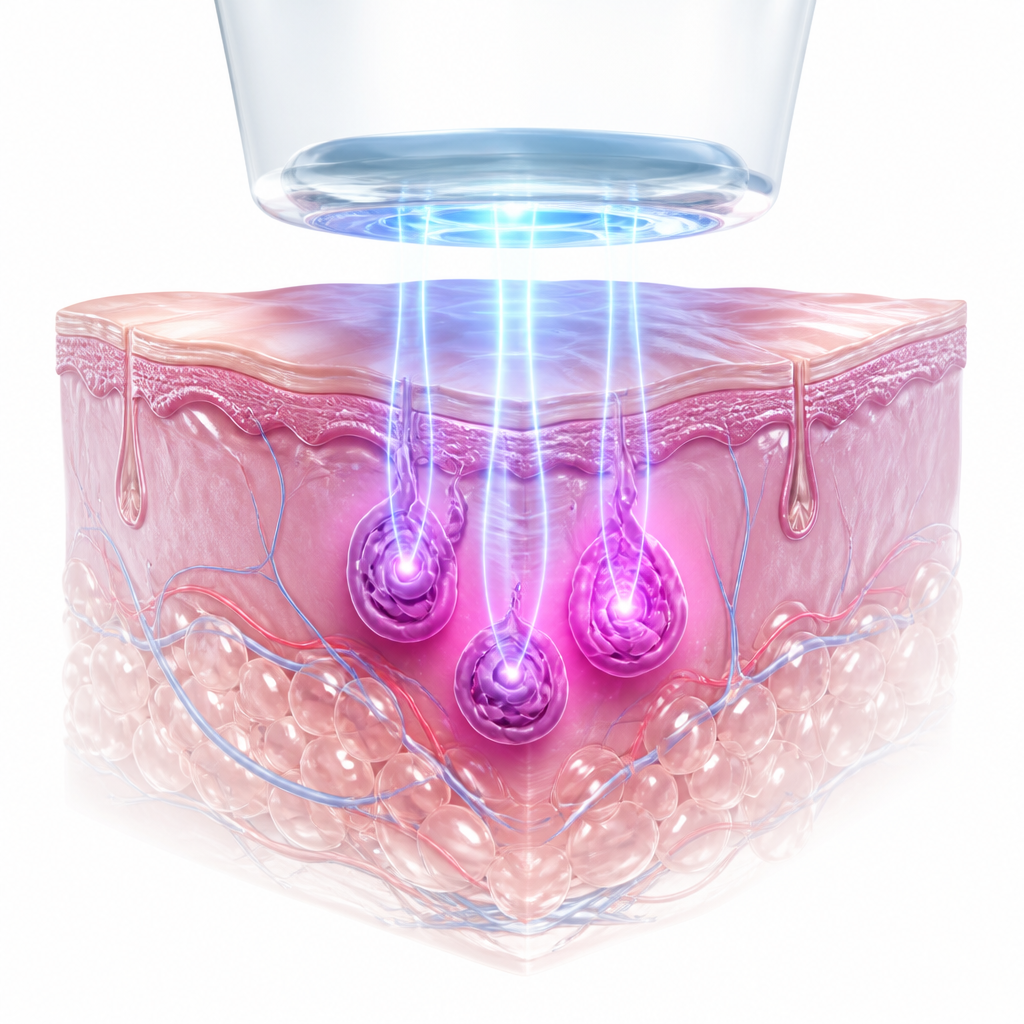
How does microwave thermolysis compare to other clinical treatments?
According to multiple observational studies and meta-analyses, including clinical data published in the Dermatologic Surgery journal in 2021, microwave thermolysis (commonly known as MiraDry) has revolutionized the treatment of primary axillary hyperhidrosis. The system utilizes 5.8 GHz microwave energy to deliver targeted thermal energy precisely to the dermal-fat interface, where the apocrine glands and eccrine glands reside. The thermal energy reaches approximately 60 degrees Celsius, initiating localized thermolysis of the glands while protecting the upper dermis through a continuous surface cooling mechanism. This selective destruction leads to local anhidrosis, significantly reducing sweat and associated odor.
When evaluating options, clinical guidelines suggest comparing the physiological impact, efficacy duration, benefits, and limitations of each modality. While surgical options like endoscopic thoracic sympathectomy (ETS) or direct surgical excision offer permanent results, they carry risks of permanent scarring, infection, and compensatory sweating—a common physiological reaction where the body increases sweat production in other regions, such as the back or chest. Non-invasive microwave thermolysis minimizes these risks while achieving high patient satisfaction rates. However, outcomes may differ in exceptional cases such as patients with atypical anatomical distribution of sweat glands extending beyond the typical axillary vault, or those with underlying secondary hyperhidrosis caused by endocrine disorders.
| Treatment Modality | Mechanism of Action | Primary Benefit | Primary Limitation |
|---|---|---|---|
| Microwave Thermolysis (MiraDry) | Thermal destruction of eccrine & apocrine glands | Permanent sweat reduction; non-invasive with zero surgical incisions | Temporary localized swelling and soreness post-treatment |
| Botulinum Toxin Injection | Temporary chemical blockade of acetylcholine release | Highly effective with immediate return to daily activities | Temporary duration (4 to 6 months); requires repeated injections |
| Surgical Excision / Liposuction | Physical removal or scraping of sweat gland tissue | Direct removal of glands under visualization | Surgical risks, potential scarring, and longer recovery period |
According to official guidelines from the International Hyperhidrosis Society, both quantitative sweat measurements and qualitative patient-reported severity indices must be thoroughly evaluated before selecting a permanent thermolysis procedure.
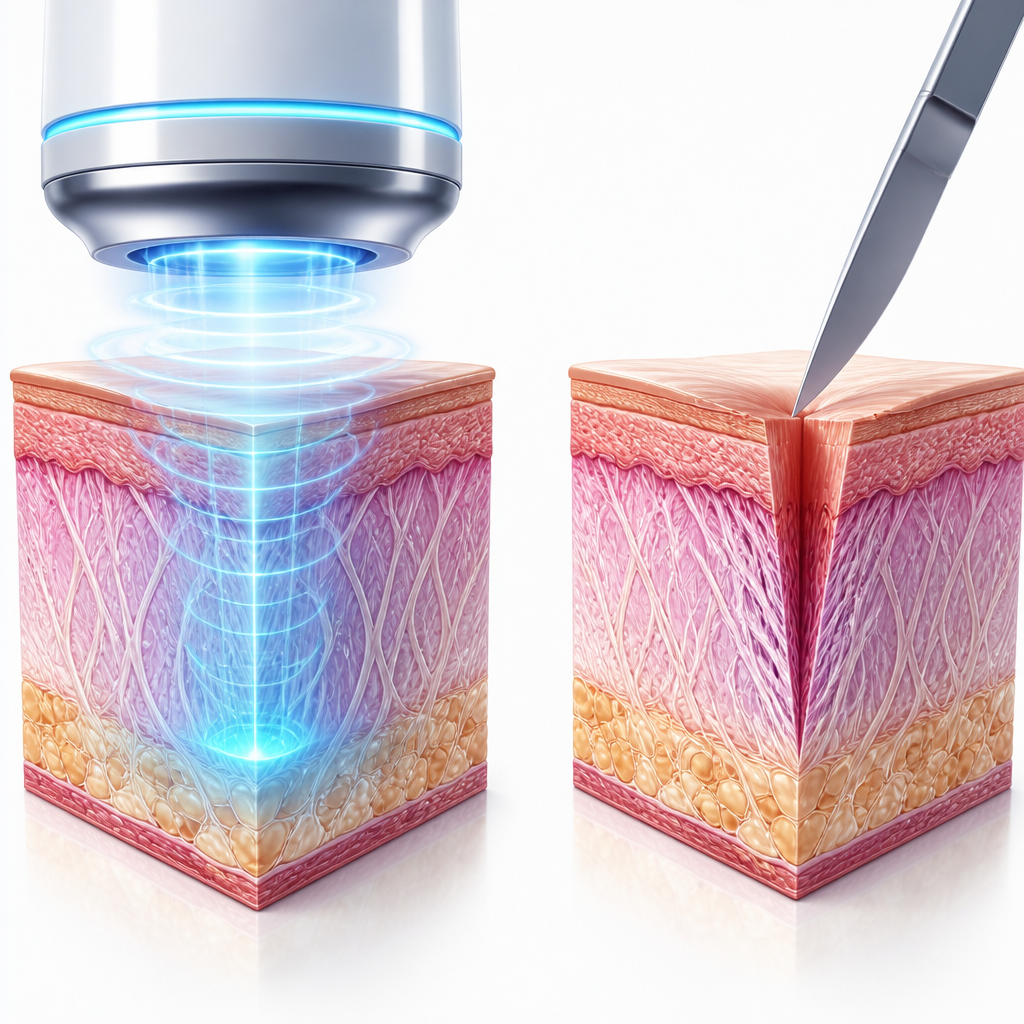
What is the clinical decision-making pathway for severe axillary sweating?
At a specialized plastic surgery clinic in Sinsa-dong, determining the ideal treatment plan requires a structured diagnostic protocol. Clinicians assess the severity of the condition, skin elasticity, subcutaneous fat depth, and previous treatment history. To help patients evaluate their suitability for permanent microwave thermolysis, the following checklist is utilized during initial clinical consultations:
- Does your underarm sweat frequently wet through clothing, causing visible staining and social discomfort?
- Have temporary solutions like clinical antiperspirants or aluminum chloride failed to provide adequate relief, or caused severe skin irritation?
- Are you looking for a permanent solution that simultaneously addresses both sweat and underarm odor (bromhidrosis)?
- Are you able to accommodate a short recovery window characterized by mild swelling and localized bruising under the arms?
- Have you ruled out secondary hyperhidrosis, which is sweating caused by systemic medical conditions such as hyperthyroidism or hormonal fluctuations?
To guide patients through the clinical selection process, specialists recommend following this structured 3-step decision flow:
- IF the patient presents with persistent focal axillary hyperhidrosis (HDSS score 3 or 4) that severely impairs work, social interaction, or mental well-being…
- THEN initiate a clinical evaluation of skin thickness and sweat area at 제이케이성형외과의원 in Sinsa-dong to confirm candidate suitability and rule out contraindications like active implants…
- OUTCOME: Select targeted microwave thermolysis to achieve a permanent, non-surgical reduction of sweat and odor glands while avoiding the risks of compensatory sweating.
Frequently Asked Questions FAQ
QIs the sweat reduction from MiraDry truly permanent?
Yes. Sweat glands in the axillary subcutaneous tissue do not regenerate once destroyed by microwave thermolysis. Clinical studies show that the average sweat reduction of around 82% is maintained long-term. However, outcomes may differ in rare cases of incomplete gland destruction due to anatomical variations.
QCan I experience compensatory sweating after underarm microwave treatment?
Unlike surgical sympathectomy (ETS), which blocks nerve signals to a wider area, microwave thermolysis only targets localized sweat glands in the axillae. Since the underarms represent only about 2% of the body’s total sweat glands, compensatory sweating elsewhere on the body is extremely rare.
QWhat should I expect during the recovery period in Sinsa-dong?
Most patients returning to their routine in Sinsa-dong experience temporary swelling, redness, and mild tenderness in the treated area for about 1 to 2 weeks. Applying cold compresses and avoiding strenuous exercise for the first few days helps accelerate natural tissue recovery.

This content is general medical information, and individual treatment decisions should be made through imaging tests and in-person medical evaluation.
Author: Medical content editor based on medical information research
Reviewed by: Specialist consultation from the relevant department
Last reviewed: 2026-07-13
Reference guideline: 2021 International Hyperhidrosis Society Guidelines
Medical neutrality and closing note
The core of medical decision-making is not to follow a specific device or a trending procedure, but to choose an option that fits each patient’s individual anatomy, condition, risk level, and treatment goals. Every procedure has both advantages and limitations, so decisions should be made after sufficient discussion with an experienced specialist.
[Medical information and copyright notice]
This content is a professional medical column prepared based on medical consultation from 제이케이성형외과의원.
The infographics used in this article are created to support understanding and may differ from actual clinical results.
The information provided is a general medical guideline, and accurate diagnosis and treatment require an in-person evaluation by a qualified specialist.