Is Motiva Breast Augmentation at Sinsa Station the Right Choice for Natural Movement and Safety?
Why Are Patients Seeking Motiva Breast Augmentation in Sinsa Station Plastic Surgery Clinics?
When considering breast augmentation, patients today prioritize not just an increase in size, but a natural appearance, soft texture, and dynamic movement that mimics real breast tissue. In the medical field, the tissue response surrounding an implant is a crucial factor. Anatomically, when a foreign material is introduced into the breast, the body naturally initiates a protective physiological response, forming a fibrous envelope around the implant. This tissue reaction, known as a capsule, is normal. However, if this progressive tissue response becomes hyperactive, it can lead to capsular contracture, a condition where the capsule thickens and squeezes the implant, resulting in hardness, distortion, and pain.
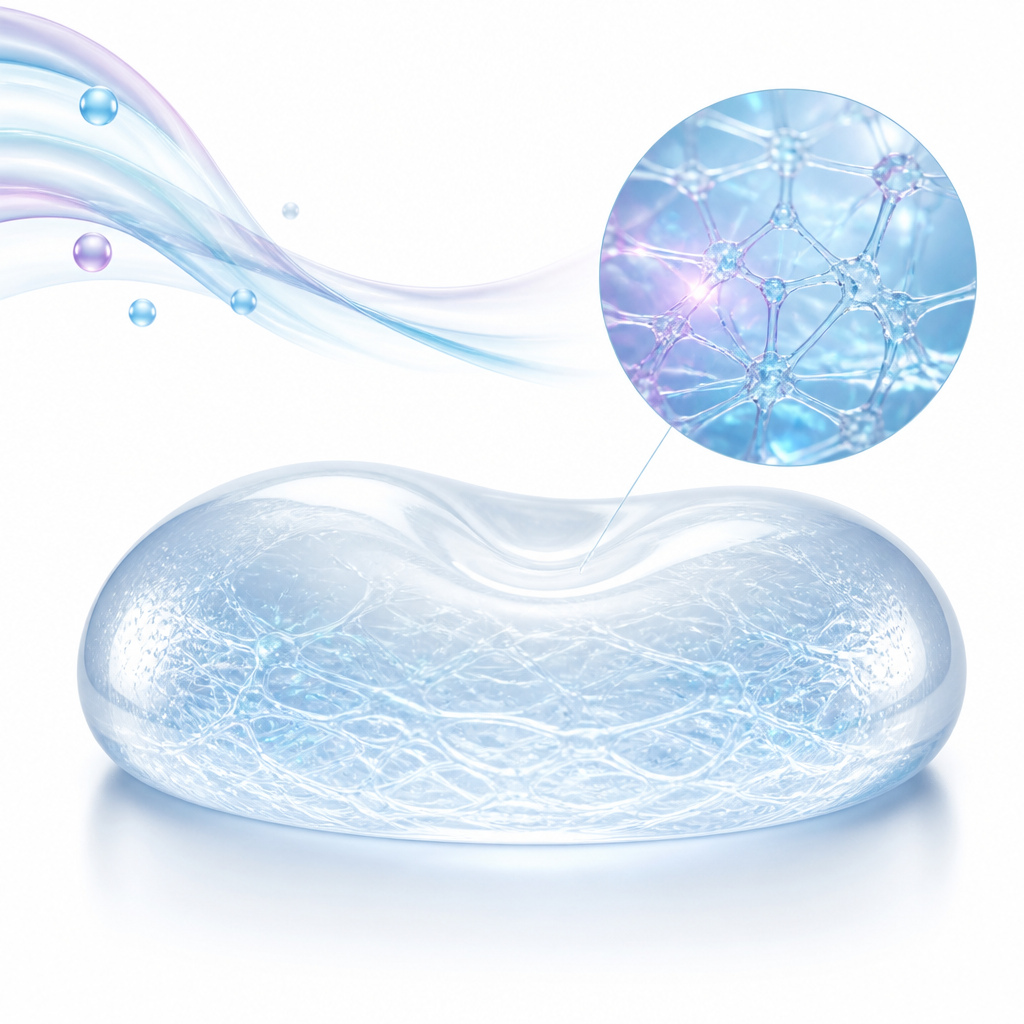
Motiva implants are engineered to address this specific physiological challenge. Utilizing a highly cohesive gel and a specialized microtexture outer shell, they minimize friction between the implant and surrounding breast tissue. This reduced mechanical irritation helps lower the incidence of chronic subclinical inflammation, which is a major driver of progressive tissue encapsulation. For patients exploring options at Sinsa Station, understanding these pathological mechanisms is the first step toward a safe and satisfying aesthetic outcome.
Treatment timing: Ideal for patients seeking long-term stability and natural dynamics, especially when sufficient natural glandular tissue is present or after complete physical maturity (typically post-20s).
Non-surgical care: While surgical augmentation is required for volume, minor asymmetry or mild tissue laxity can sometimes be managed conservatively through targeted physical therapy and customized support garments.
Treatment selection: Decisions are guided by individual chest wall anatomy, skin elasticity, parenchymal thickness, and personal lifestyle goals to select the precise implant volume and projection.
How Does Ergonomic Cohesive Gel Prevent Complications Like Capsular Contracture?
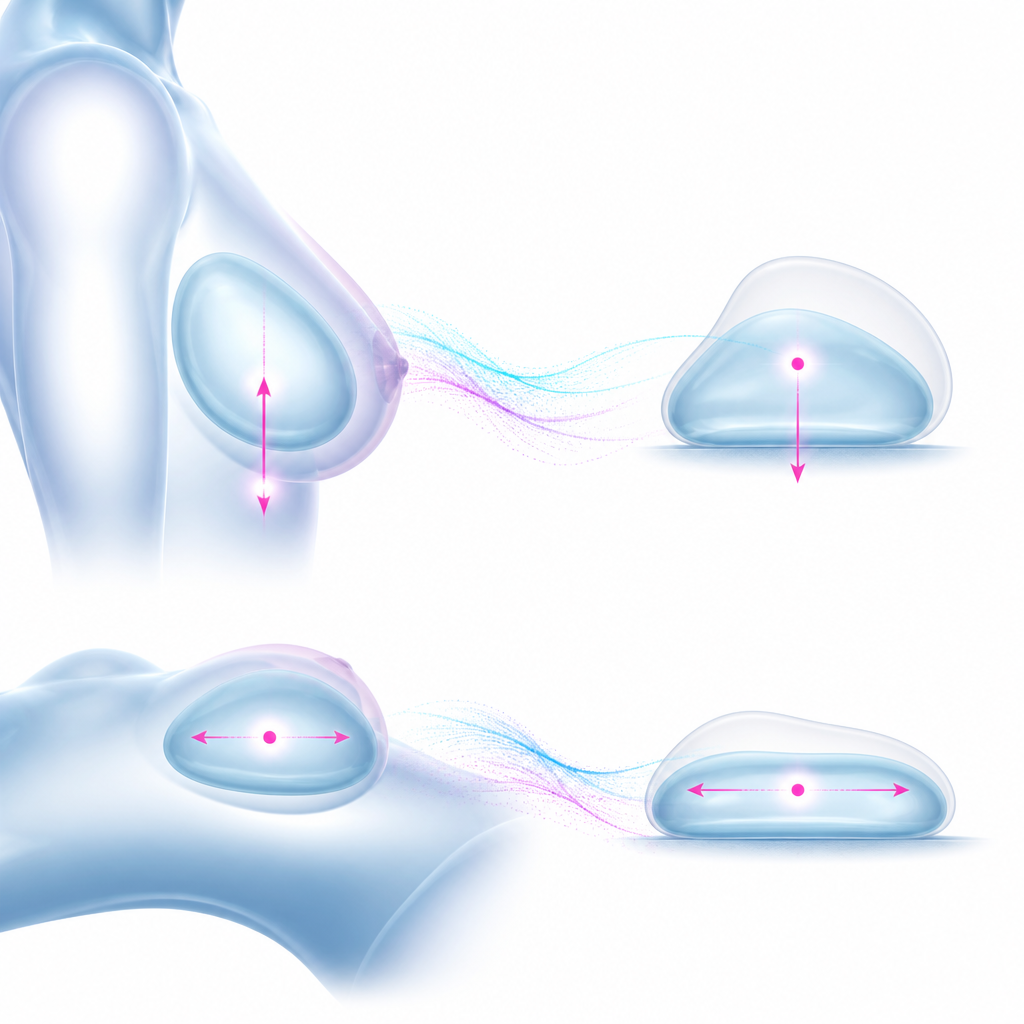
According to multiple observational studies and meta-analyses, the biomechanical properties of the implant gel dictate how it behaves under gravity. Traditional implants often maintain a fixed shape, which can feel rigid or look unnatural when transitioning from a lying to a standing position. Motiva’s cohesive gel features high elasticity and low viscosity, enabling ergonomic mobility. When the patient is upright, gravity pulls the gel downward to create a natural teardrop silhouette, whereas it spreads more evenly when lying down, replicating the dynamics of natural glandular tissues.
Furthermore, the shell design plays an essential role in biocompatibility. The advanced microtexture surface, engineered without the use of salt or sugar crystals during manufacturing, promotes high tissue integration. This prevents micro-movements of the implant that could lead to double-capsulation or late seroma. Before committing to surgery, patients should also be aware of non-surgical alternatives for early-stage tissue management. For instance, if minor capsule tightening is detected in its earliest stages, conservative management using leukotriene receptor antagonists (such as Singulair) or targeted lymphatic massage can sometimes halt the progression without requiring immediate surgical revision. However, once a severe capsular contracture develops, surgical intervention remains the only definitive solution.
| Implant Type | Key Advantage | Key Limitation |
|---|---|---|
| Motiva Ergonomix | Mimics natural tissue movement by changing shape from round to teardrop when standing. | Requires a highly skilled specialist and slightly larger incision for precise placement. |
| Traditional Smooth/Textured | Predictable static shape and lower initial manufacturing cost. | Higher risk of unnatural firmness or visible rippling over time. |
According to official guidelines from international aesthetic plastic surgery societies, both quantitative measurements of the chest wall and patient-specific soft tissue thickness must be evaluated together to minimize long-term revision risks.
What Should You Evaluate Before Choosing Your Treatment Path at Sinsa Station?
Selecting the surgical approach involves critical anatomical decisions, such as utilizing a submammary incision versus an axillary incision. A submammary incision offers direct access to the surgical pocket, allowing for highly precise implant positioning and reduced trauma to the surrounding breast tissues, which in turn lowers postoperative recovery time. When undergoing consultation in Sinsa Station, clinicians assess several physiological factors to design a customized plan.
To help guide your decision-making process, review the following essential pre-operative evaluation checklist:
- Comprehensive measurement of your chest wall base width and soft tissue thickness.
- Detailed assessment of skin elasticity and parenchymal volume to prevent post-surgical rippling.
- Evaluation of personal medical history, including keloid tendencies or wound healing complications.
- Determination of the optimal placement plane (submuscular, subfascial, or dual-plane) based on physical activity level.
- Verification of the surgeon’s experience with microtexture cohesive gel implants.
To assist in your initial assessment, follow this simplified clinical decision-making pathway:
- IF your baseline pinch test of the upper breast pole is greater than 2cm and skin elasticity is optimal, THEN a dual-plane or subfascial placement using Motiva can offer an exceptionally natural texture.
- IF the tissue coverage is extremely thin (less than 1.5cm), THEN a total submuscular placement may be required to prevent visible implant edges, even with advanced ergonomic gels.
- IF there is pre-existing breast asymmetry or mild chest wall deformity, THEN custom asymmetric sizing must be calculated pre-operatively to achieve clinical balance.
However, outcomes may differ in exceptional cases such as patients with severe pre-existing chest wall deformities, history of radiation therapy, or extreme subcutaneous tissue atrophy.
Frequently Asked Questions FAQ
QHow long is the recovery period after Motiva breast augmentation?
Most patients can return to light daily activities within 3 to 7 days. However, avoiding heavy lifting or strenuous upper-body exercise for at least 4 to 6 weeks is highly recommended to ensure proper implant positioning and healing of the internal tissues.
QIs massage required after receiving Motiva implants?
Unlike old-generation textured implants, Motiva’s microtextured surface is designed to naturally integrate with surrounding tissues, meaning post-operative massage is generally not recommended as it could interfere with the natural tissue-adhesion process.
QWhat is the risk of capsular contracture with this implant?
Due to its high biocompatibility and advanced shell technology, clinical data shows the incidence of clinically significant capsular contracture is exceptionally low, typically under 1.5% in multi-year tracking studies.

This content is general medical information, and individual treatment decisions should be made through imaging tests and in-person medical evaluation.
Author: Medical content editor based on medical information research
Reviewed by: Specialist consultation from the relevant department
Last reviewed: 2026-07-06
Reference guideline: 2021 Aesthetic Surgery Journal Guidelines
Medical neutrality and closing note
The core of medical decision-making is not to follow a specific device or a trending procedure, but to choose an option that fits each patient’s individual anatomy, condition, risk level, and treatment goals. Every procedure has both advantages and limitations, so decisions should be made after sufficient discussion with an experienced specialist.
[Medical information and copyright notice]
This content is a professional medical column prepared based on medical consultation from 제이케이성형외과의원.
The infographics used in this article are created to support understanding and may differ from actual clinical results.
The information provided is a general medical guideline, and accurate diagnosis and treatment require an in-person evaluation by a qualified specialist.